
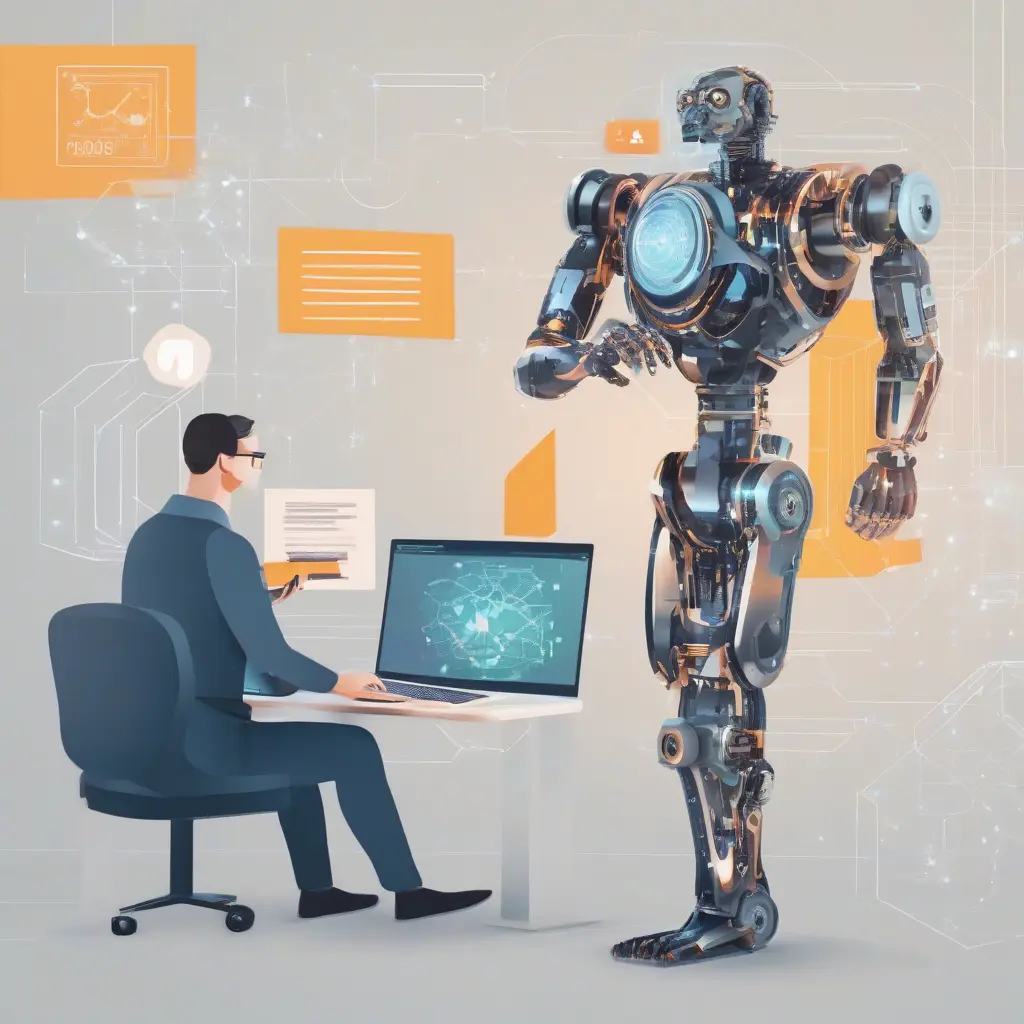
The landscape of artificial intelligence (AI) tools has undergone significant transformation in 2023, reflecting advancements in technology and changing user needs. As more industries adopt AI solutions, it’s essential to understand the key trends and innovations that are shaping the future of these tools. From enhanced machine learning algorithms to improved user interfaces, this article delves into how AI tools are evolving and what this means for businesses and individuals alike.
Advancements in Machine Learning Algorithms
In 2023, machine learning algorithms have become more sophisticated, enabling AI tools to make better predictions and decisions. Techniques such as deep learning and reinforcement learning have gained traction, allowing systems to learn from large datasets more effectively. This evolution enhances the accuracy of applications ranging from predictive analytics to natural language processing, making AI solutions increasingly reliable and indispensable in various sectors.
Rise of Automation in AI Tools
Automation has emerged as a significant trend in the AI tools landscape. Many organizations are leveraging AI to automate repetitive tasks, thereby increasing operational efficiency. Tools that incorporate automation are helping businesses streamline workflows, reduce human error, and save valuable time. This trend is expected to continue growing, particularly in industries like manufacturing and customer service, where efficiency is crucial.
User Experience Enhancement
User experience (UX) remains a focal point for AI tool development in 2023. Companies are focusing on creating intuitive interfaces and seamless interactions, enabling users to maximize the benefits of AI technology. Enhanced UX not only makes tools more accessible but also improves engagement and satisfaction among users. The shift toward user-centric design reflects an understanding that effective AI tools should cater to the needs of diverse audiences.
Integration of AI Tools in Everyday Applications
The integration of AI tools into everyday applications has become increasingly common. From productivity software to mobile applications, AI functionalities are being embedded to enhance user experiences. This allows users to enjoy features such as smart suggestions, automated scheduling, and advanced data analysis without needing extensive technical knowledge. As a result, AI is becoming more embedded in daily life, making it a vital aspect of personal and professional productivity.
Ethics and Responsibility in AI Development
As AI technologies evolve, ethical considerations are at the forefront of discussions in 2023. There is a growing emphasis on responsible AI development to address concerns such as bias, transparency, and accountability. Organizations are implementing guidelines to ensure that their AI tools promote fairness and ethical use. This focus on ethics not only helps build trust among users but also encourages responsible innovation in the AI space.
Artificial Intelligence in Health Care
The health care industry is witnessing a transformative impact from AI tools in 2023. Advanced algorithms are being employed for diagnostics, treatment planning, and patient monitoring. AI-driven tools assist medical professionals in analyzing large volumes of data and identifying patterns that can lead to faster, more accurate diagnoses. This integration not only enhances patient care but also optimizes resource allocation within health care systems.
AI in Content Creation and Marketing
Content creation and marketing are also being revolutionized by AI tools in 2023. AI-driven solutions are assisting marketers in generating personalized content, optimizing campaigns, and analyzing consumer behavior. These tools enable businesses to create targeted strategies that resonate with audiences, enhancing engagement and conversion rates. As AI continues to evolve, its role in content creation is expected to expand further, providing even more opportunities for innovation.
Collaboration Between Humans and AI
The relationship between humans and AI tools is becoming increasingly collaborative. In 2023, organizations are focusing on augmenting human capabilities, allowing AI to handle data-intensive tasks while humans provide the creative and strategic insights. This synergy leads to improved outcomes in various fields, from research and development to customer service. Recognizing the strengths of both humans and AI is pivotal in harnessing the full potential of these tools.
Emerging AI Tools for Small Businesses
Small businesses are benefiting from the emergence of new AI tools designed to meet their specific needs in 2023. Solutions that offer affordability and ease of integration are becoming popular, enabling small enterprises to leverage AI without substantial investment. These tools can assist with inventory management, customer relationship management, and marketing strategies, leveling the playing field against larger competitors and empowering small businesses to thrive.
The Role of AI in Education
AI tools are making substantial inroads into the education sector in 2023. Personalized learning platforms powered by AI adapt to individual student needs, providing tailored educational experiences. Additionally, AI is being used to automate administrative tasks, freeing educators to focus on teaching. These innovations not only enhance educational outcomes but also promote accessibility, enabling a broader range of learners to benefit from personalized educational resources.
Future Predictions for AI Tools
Looking ahead, the future of AI tools appears promising. Trends indicate a shift toward more democratized access to AI technology, making it available for organizations of all sizes. With advancements in explainable AI and improved user interfaces, it is expected that non-technical users will find it easier to adopt and utilize AI tools. As innovation continues, the integration of AI tools into various sectors will likely accelerate, driving further development and societal change.
Conclusion
The evolution of AI tools in 2023 signifies a remarkable period of growth and innovation. As advancements continue to reshape industries, understanding these trends becomes crucial for individuals and organizations alike. By embracing the newest AI technologies while remaining mindful of ethical considerations, we can ensure that these tools are used responsibly to foster efficiency, enhance user experiences, and drive future success.