
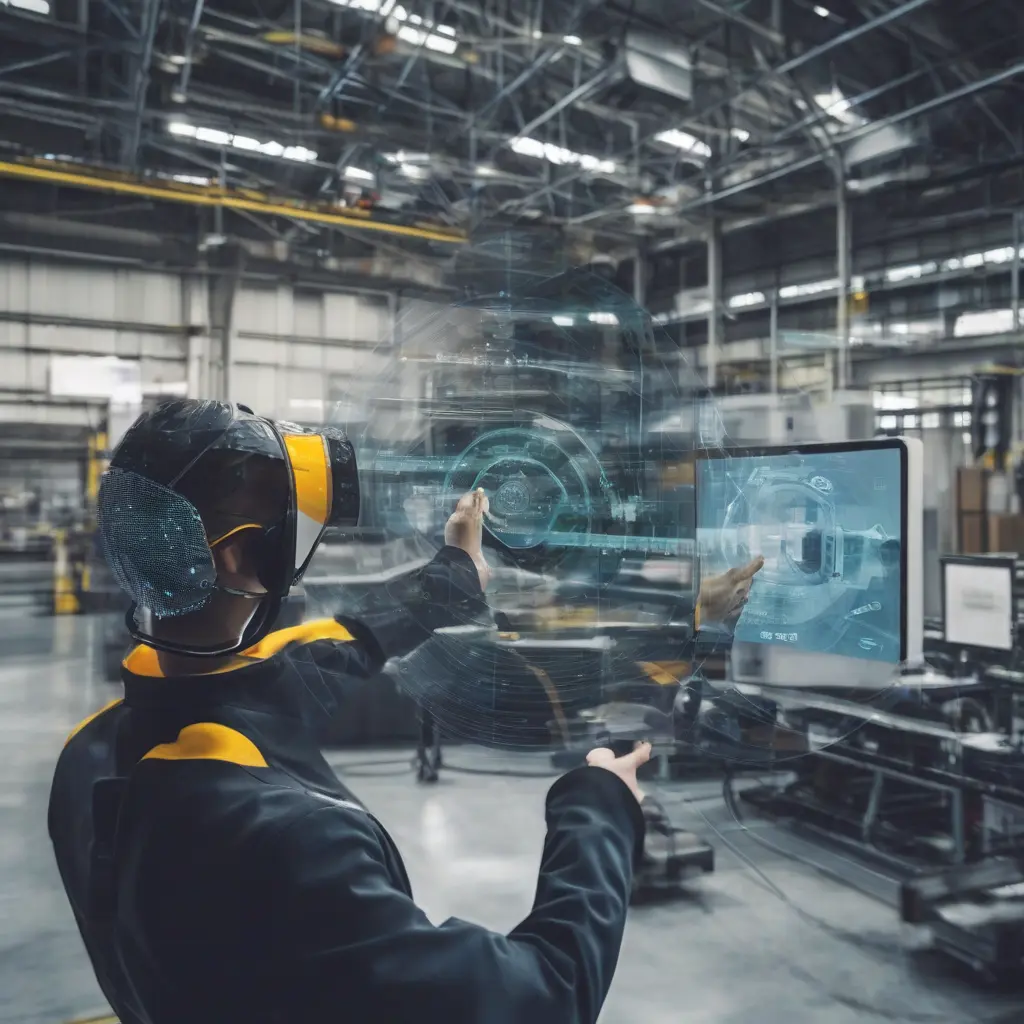
In 2023, augmented reality (AR) technology has significantly evolved, especially in industrial applications. Innovations in AR are transforming various sectors by enhancing productivity, improving safety measures, and facilitating remote assistance. Companies are increasingly adopting AR solutions to streamline operations, train employees, and reduce errors during manufacturing processes. With advancements in hardware and software, AR is breaking new ground in industries such as manufacturing, logistics, and maintenance. This article delves into the key developments of AR technology that are shaping the industrial landscape in 2023.
Enhanced Training Programs with AR
One of the most notable advancements in AR for industrial applications is its enhanced training programs. Traditional training methods often rely on manuals and instructor-led classes, which can be time-consuming and less effective. AR enables immersive training experiences that simulate real-life environments, allowing employees to practice tasks in a safe, controlled manner. This hands-on approach not only accelerates the learning curve but also improves retention rates. By integrating AR into training protocols, companies can ensure that their workforce is better prepared, thereby increasing efficiency and reducing the likelihood of errors.
Remote Assistance and Troubleshooting
The ability to provide remote assistance through AR technology has become a game-changer for the industrial sector. Technicians can now access real-time data and visuals from experts located anywhere in the world. This capability enhances troubleshooting processes, as maintenance staff can receive step-by-step guidance while working on machines. Problems that once required an on-site visit can now be resolved remotely, saving both time and costs. Moreover, the combination of AR with other technologies, such as IoT, further enriches the support experience by offering real-time condition monitoring and alerts.
Improved Visualization of Complex Systems
Augmented reality allows for improved visualization of complex industrial systems and processes. Operators can visualize intricate data overlays directly onto physical machinery, making it easier to understand how different components interact. This added layer of information promotes better decision-making and operational efficiency. With AR, employees can quickly identify issues, monitor performance metrics, and make data-driven adjustments to enhance productivity. The ability to see digital representations of physical systems in real-time helps in minimizing errors and streamlining workflows, which is critical for industries with complex operational demands.
Integration with the Internet of Things (IoT)
The ongoing integration of augmented reality with the Internet of Things (IoT) is revolutionizing industrial applications. By connecting AR devices with IoT sensors, companies can access a wealth of data about their equipment and systems. This integration allows for real-time monitoring and analysis, enabling proactive maintenance and quicker decision-making. For instance, operators can visualize sensor data superimposed over machinery, allowing them to detect anomalies before they escalate into major issues. The synergy between AR and IoT not only enhances operational efficiency but also contributes to better resource management and sustainability efforts.
Cost Reduction and Increased Efficiency
Implementing AR solutions leads to significant cost reductions and increased efficiency in industrial operations. By minimizing downtime, reducing travel expenses for support, and decreasing the need for physical resources, companies can operate more cost-effectively. AR systems help streamline workflows, enabling workers to focus on high-value tasks without the distraction of manual checks. Furthermore, the quick adaptation to AR technology can drive innovation and cost savings in project management. As organizations recognize the financial benefits of adopting AR technologies, investments in this area are expected to grow, further enhancing productivity.
Safety Enhancements through AR
Safety is paramount in industrial settings, and augmented reality tools are enhancing safety protocols across various industries. AR applications can project safety guidelines, highlight hazards, and provide instant access to important safety information directly onto the work environment. Training simulations using AR can immerse workers in safety scenarios, allowing them to practice emergency procedures without the risks associated with real-life situations. By cultivating a safety-centric culture empowered by AR technologies, organizations can significantly reduce the likelihood of accidents, ensuring a safer workplace for their employees.
Customization and Scalability of AR Solutions
Another significant advancement in AR for industrial applications is the growing customization and scalability of AR solutions. Different sectors and businesses have unique needs, and the ability to tailor AR applications specifically to those requirements has become vital. Customizable AR solutions can address specific operational challenges, whether it’s through specialized training modules or customized maintenance support applications. Furthermore, AR platforms are now designed to scale with the business, accommodating growth without the need for significant overhauls. This adaptability allows companies to leverage AR technologies progressively and effectively, tailored to their evolving industrial demands.
Rise of Collaborative AR Environments
The rise of collaborative AR environments is another breakthrough enhancing industrial applications. These environments allow multiple users to interact with the same AR model simultaneously, regardless of their physical location. This capability fosters teamwork and enhances problem-solving efforts, as groups can visualize and interact with shared data and models in real-time. Collaborative AR tools are transforming remote project management and design processes, enabling teams to work together more efficiently. As industries continue to embrace this collaborative approach, it is likely that productivity and innovation will further increase, driving the sector forward.
Future Prospects of AR in Industry
Looking ahead, the future prospects of augmented reality in industrial applications appear promising. As technology continues to evolve, AR is expected to integrate with advanced AI and machine learning systems to offer even greater efficiencies. Industries will likely explore new applications that enhance not only operational productivity but also customer engagement and product design. Furthermore, as AR hardware becomes more affordable and accessible, smaller companies will begin adopting these technologies, democratizing advanced industrial applications. Consequently, the potential for AR to revolutionize industries is immense, paving the way for innovative solutions to modern challenges.
Conclusion
In conclusion, the key advances in augmented reality for industrial applications in 2023 highlight a transformative shift in how industries operate. From enhanced training programs to improved safety and efficiency, AR technologies are reshaping the industrial landscape. The integration of AR with IoT, its collaborative capabilities, and the focus on customization are driving innovations that significantly impact productivity. As we move forward, embracing AR technology will be crucial for organizations aiming to stay competitive and efficient in an ever-evolving market.