
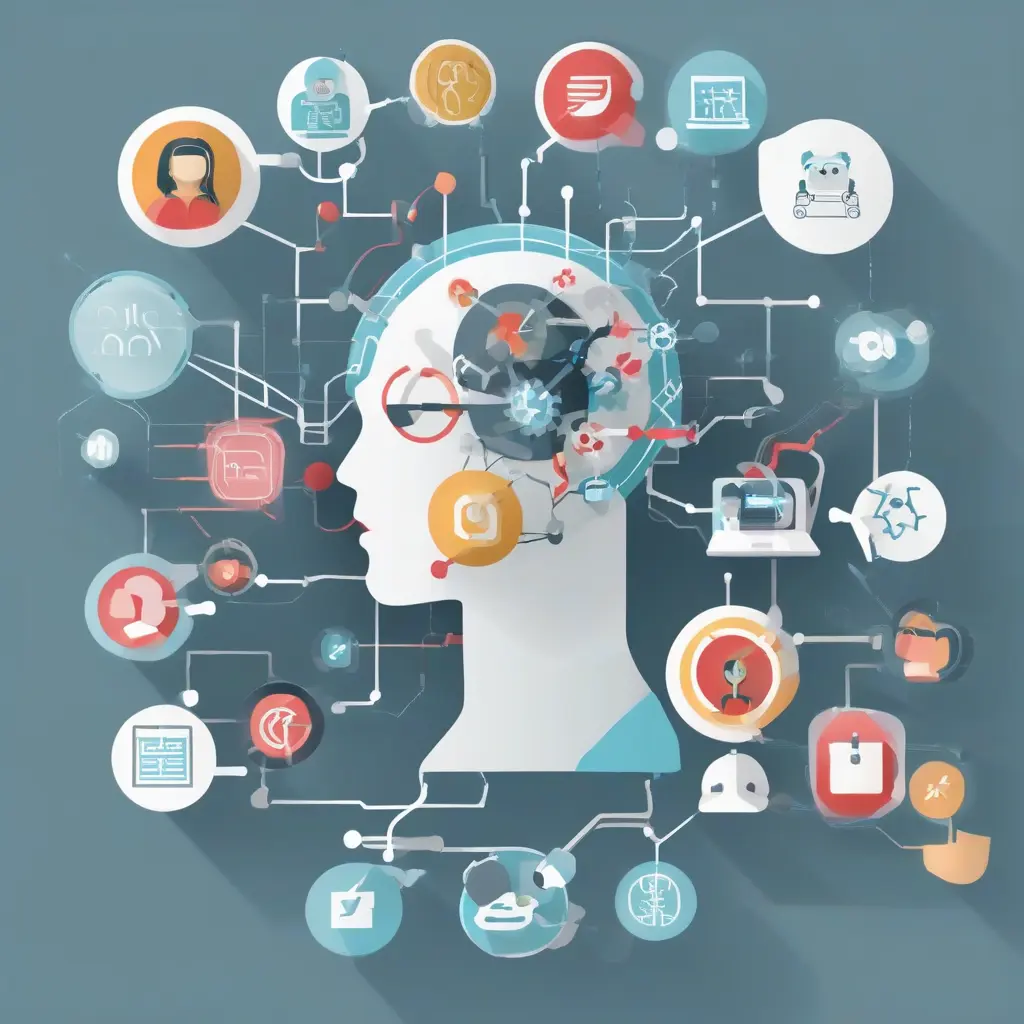
In the contemporary landscape of marketing, personalized strategies have emerged as essential for engaging customers effectively. Artificial intelligence (AI) tools are revolutionizing this aspect by enabling businesses to analyze vast amounts of data, gaining insights into consumer behaviors and preferences. By leveraging these insights, marketers can create tailored experiences that resonate with individual customers. This article delves into various AI tools and strategies that enhance personalized marketing, highlighting their benefits and practical applications. Businesses of all sizes can incorporate these tactics to foster stronger customer connections and drive successful marketing outcomes.
Understanding Personalized Marketing
Personalized marketing involves tailoring marketing messages and offers to individual consumer preferences and behaviors. This strategy goes beyond traditional marketing tactics by using data analytics and customer insights to deliver relevant content to users. Personalization can range from email marketing campaigns that address recipients by name to product recommendations based on previous purchases. The goal is to enhance customer experience and foster loyalty through meaningful interactions. As consumers increasingly seek brands that understand their needs, personalized marketing becomes crucial for businesses aiming for competitive advantage.
The Role of AI in Personalization
AI plays a pivotal role in enhancing personalized marketing by automating data analysis and providing insights that human marketers may overlook. Machine learning algorithms can analyze user behavior across multiple channels, identifying patterns that inform targeting strategies. These algorithms can segment audiences more effectively, allowing for hyper-personalized campaigns. Through predictive analytics, AI can anticipate customer needs and preferences, enabling brands to deliver timely and relevant content. The implementation of AI not only increases efficiency but also enhances accuracy in marketing efforts.
Key AI Tools for Personalized Marketing
Several AI tools are available to aid marketers in achieving personalization. Customer Relationship Management (CRM) systems equipped with AI capabilities can track interactions, preferences, and feedback, providing valuable customer insights. Platforms like HubSpot and Salesforce allow businesses to segment their audiences and create personalized workflows. Additionally, AI-powered chatbots enhance customer engagement by providing real-time assistance based on user queries and previous interactions. These tools can help streamline communications and improve overall customer satisfaction.
Data Collection and Analysis
Effective personalized marketing starts with comprehensive data collection and analysis. Organizations can use AI tools to gather data from websites, social media, customer surveys, and purchase history. Advanced analytics algorithms can process this data to reveal insights about customer preferences and behaviors. By understanding these patterns, businesses can tailor their marketing efforts to meet specific needs. Ensuring that data collection complies with privacy regulations is crucial, as consumers are increasingly concerned about their data privacy. This balance is essential for ethical marketing practices while still leveraging AI effectively.
Segmentation Strategies Using AI
AI-driven segmentation strategies enable marketers to divide their audience into smaller, more specific groups based on defined criteria. This goes beyond basic demographics to include psychographics, behavioral data, and purchasing habits. By analyzing this data, AI tools can create detailed customer personas, allowing for more tailored marketing approaches. This level of specificity ensures that messages resonate more effectively, ultimately leading to higher conversion rates. Marketers can run targeted campaigns that speak to the unique interests and needs of each segment, optimizing their resources and maximizing impact.
Content Personalization Techniques
Content personalization is essential for creating meaningful interactions with customers. Utilizing AI algorithms, businesses can deliver customized content recommendations based on user preferences or past engagement. This could involve personalized email newsletters, product suggestions on e-commerce sites, or dynamic website content that changes based on user behavior. Moreover, AI can help refine messaging to align with customer’s interests and stages in the buyer’s journey. Providing relevant and engaging content consistently nurtures customer relationships and encourages brand loyalty.
Email Marketing Automation with AI
AI technologies significantly enhance email marketing automation by allowing for dynamic content personalization and scheduling optimization. Using predictive analytics, marketers can determine the best times to send emails to maximize engagement. AI can also segment email lists based on behavior, ensuring that recipients receive messages tailored to their specific interests and past interactions. This level of customization increases open rates and click-through rates, leading to boosts in conversions and sales. Overall, AI improves the effectiveness and efficiency of email marketing campaigns.
Predictive Analytics for Future Marketing
Predictive analytics is a game-changer in personalized marketing, as it utilizes historical data to forecast future consumer behaviors. AI tools can analyze past purchase patterns, engagement metrics, and demographic information to make informed predictions about what products or services customers are likely to seek. This foresight allows companies to proactively tailor their marketing campaigns, focusing their resources on strategies that are likely to yield results. By leveraging predictive analytics, businesses can stay ahead of trends and anticipate customer needs, enhancing marketing efficacy.
Challenges of Implementing AI Tools
Despite the advantages of AI in personalized marketing, there are challenges in implementation. Companies often face obstacles such as data silos, where information is dispersed across various platforms, making it difficult to obtain a holistic view of customer behaviors. Moreover, integrating AI tools into existing systems can require substantial investment and training for staff. Concerns about data privacy and compliance also need to be addressed, as consumers demand greater transparency regarding how their data is used. Businesses must navigate these challenges carefully to harness the full potential of AI.
Future Trends in AI and Marketing
The future of AI in personalized marketing is bright, with several emerging trends likely to shape the industry. As AI technologies advance, marketers will increasingly rely on machine learning algorithms to enhance customization across all channels. Conversational marketing, powered by AI chatbots, will become more sophisticated, offering tailored interactions in real-time. Moreover, ethical AI practices will gain importance, as consumers demand transparency and control over their data. Keeping pace with these trends will be essential for marketers looking to leverage AI effectively and maintain a competitive edge.
Conclusion
Utilizing AI tools for personalized marketing creates a path for businesses to connect deeply with their customers. By understanding consumer behavior through data analysis, deploying effective AI tools, and implementing tailored strategies, marketers can significantly enhance customer engagement. While challenges exist, the potential benefits of AI-driven personalization are enormous. As technology evolves, staying adaptable and informed about emerging trends will be key to successfully incorporating AI into personalized marketing approaches.