
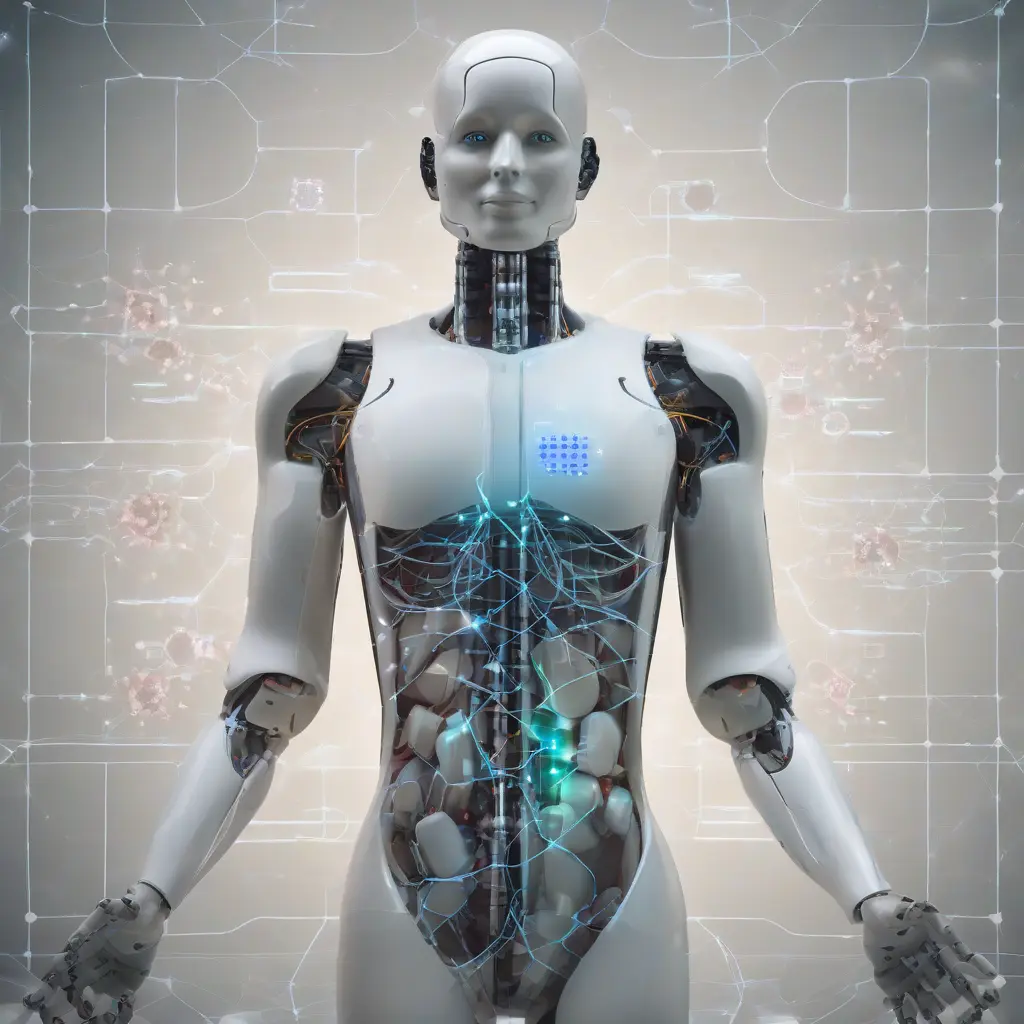
The integration of artificial intelligence (AI) tools in healthcare is reshaping the landscape of health diagnostics and decision-making. This innovative technology enhances the accuracy of diagnoses, streamlines treatment plans, and improves patient outcomes. By leveraging vast amounts of data and employing sophisticated algorithms, AI is not only facilitating quicker reactions to health concerns but also allowing for more personalized medicine. In this article, we will delve into the various ways AI tools contribute to the enhancement of health diagnostics and the decision-making process for healthcare professionals.
The Role of AI in Health Diagnostics
AI plays a crucial role in health diagnostics by analyzing complex medical data more swiftly and accurately than traditional methods. Algorithms designed for image recognition can review medical imaging data, such as X-rays and MRIs, identifying potential anomalies that may be overlooked by human eyes. This capability not only accelerates the diagnostic process but also empowers healthcare providers to offer timely interventions. As AI technologies continue to advance, their ability to assist in early detection of diseases like cancer significantly improves the chances of successful treatment.
AI-Driven Predictive Analytics
Predictive analytics powered by AI is transforming how healthcare professionals foresee and manage health outcomes. By analyzing historical patient data, including demographics and past illnesses, AI can forecast potential health issues and suggest appropriate preventive measures. This proactive approach enables physicians to create tailored treatment plans that address specific risk factors, ultimately enhancing overall patient care. Furthermore, integrated AI systems can continuously learn from new data, refining their predictive capabilities and further improving healthcare delivery.
Enhancing Diagnostic Accuracy with Machine Learning
Machine learning, a subset of AI, is particularly instrumental in enhancing diagnostic accuracy. By training on vast datasets, machine learning algorithms identify patterns that correlate with various health conditions, leading to more precise diagnoses. These systems can adapt and improve over time, ensuring that medical professionals have access to the most relevant insights. The collaboration between human expertise and machine learning creates a robust diagnostic system where the likelihood of misdiagnosis is significantly reduced, contributing to better patient outcomes.
Natural Language Processing in Medical Records
Natural Language Processing (NLP) is another powerful AI tool successfully transforming medical record management. NLP algorithms can analyze patient notes, discharge summaries, and other text documents, extracting relevant information for diagnostic and treatment purposes. By organizing and summarizing data from unstructured sources, NLP enables healthcare providers to quickly gather essential patient history and make informed decisions. This efficiency not only saves time but also facilitates a better understanding of patient needs and enhances treatment effectiveness.
AI Tools Supporting Decision-Making in Treatment
AI tools are also pivotal in supporting healthcare professionals’ decision-making during treatment planning. By analyzing various treatment options and their outcomes based on previous patient data, AI offers evidence-based recommendations tailored to individual patient conditions. This guidance helps clinicians evaluate the effectiveness of different therapies, allowing them to make data-driven decisions. Consequently, patients receive more personalized care, aligning treatment strategies with their specific health needs and preferences.
The Importance of Data Security in AI Applications
As AI tools become increasingly integrated into health diagnostics and decision-making, ensuring data security is paramount. The sensitive nature of healthcare data necessitates robust security measures to protect patient privacy while utilizing AI. Healthcare providers must implement stringent protocols for data encryption, access controls, and compliance with regulations such as HIPAA. By prioritizing data security, healthcare institutions can safely harness the power of AI while maintaining trust with their patients and stakeholders.
Challenges of Implementing AI in Healthcare
Despite the benefits, the implementation of AI tools in healthcare presents several challenges. One major hurdle is the integration of AI systems with existing healthcare infrastructures, often requiring significant investments in technology and training. Additionally, resistance from healthcare providers due to perceived threats to their professional roles can hinder the adoption of AI solutions. To overcome these challenges, effective change management strategies and continuous education are essential, ensuring that all stakeholders understand the advantages and potential of AI in enhancing healthcare delivery.
Future Prospects of AI in Health Diagnostics
The future of AI in health diagnostics is promising, with anticipated advancements set to further revolutionize the field. Ongoing research and development could lead to even more sophisticated AI algorithms capable of analyzing genetic information, thereby enabling precise and individualized treatment plans. Additionally, the potential for AI to assist in real-time diagnostics during surgeries or other critical procedures adds another layer to its utility. As technology evolves, the collaboration between healthcare professionals and AI tools will likely result in unprecedented improvements in health diagnostics and patient care.
Conclusion
The integration of AI tools into health diagnostics and decision-making is poised to significantly enhance the efficiency and accuracy of healthcare delivery. By leveraging technologies such as machine learning and natural language processing, healthcare providers can better diagnose conditions, predict outcomes, and develop personalized treatment strategies. While challenges remain, the potential benefits of AI in healthcare make it an essential component of future medical practices. As advancements continue, the landscape of health diagnostics will undoubtedly transform, paving the way for improved patient outcomes and more effective care.