
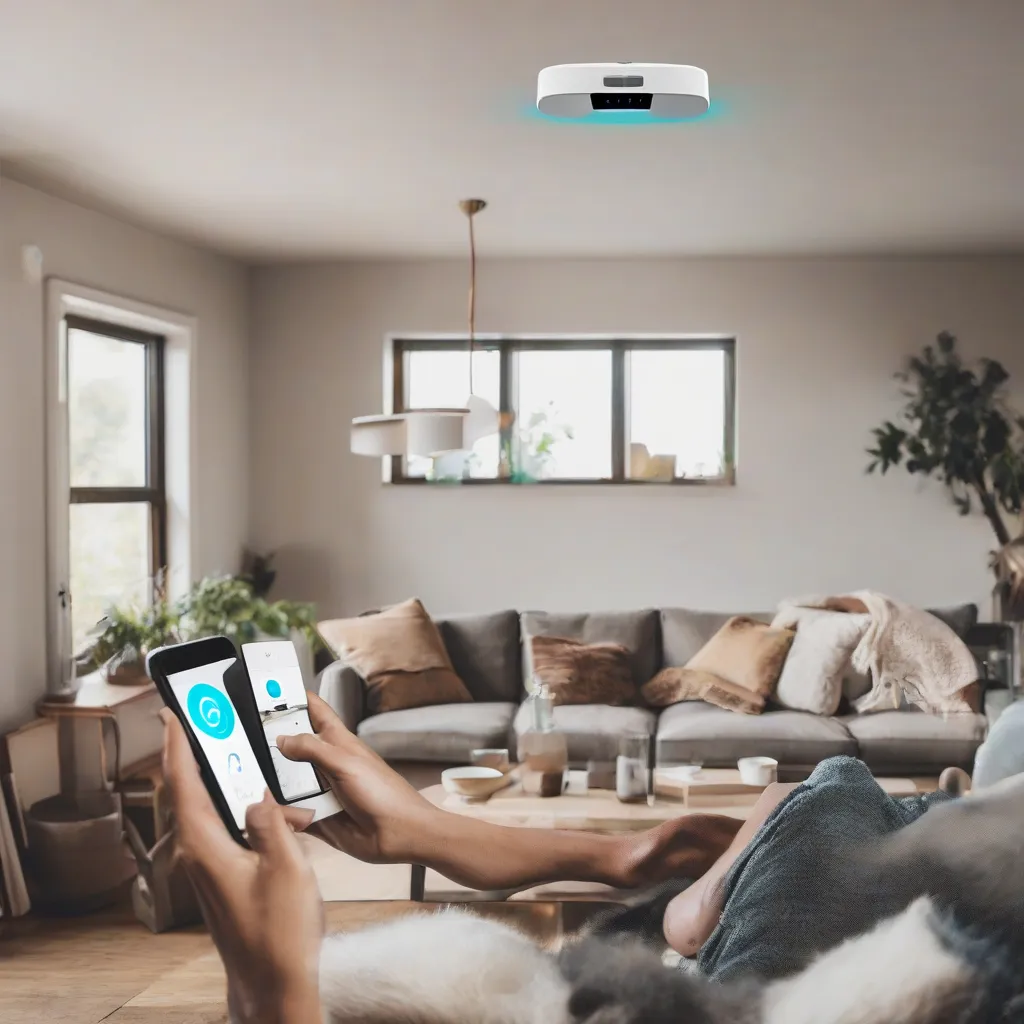
The rapid evolution of smart home technology can be overwhelming for beginners. This guide aims to simplify the journey by offering practical tips and insights. From selecting the right devices to understanding basic setups and security measures, each section is crafted to provide clear, actionable advice. Whether you want to enhance your home’s efficiency, ensure safety, or simply enjoy the conveniences smart tech offers, this guide will serve as your comprehensive resource.
Understanding Smart Home Basics
Before diving into smart home technology, it’s crucial to grasp its foundational concepts. Smart home devices are interlinked gadgets that improve home automation, allowing you to control them via your phone or home assistants like Alexa and Google Home. These devices can range from smart lights and thermostats to security cameras and smart locks. Familiarizing yourself with basic terms and functionalities will help in making informed purchasing decisions and streamline your setup process.
Benefits of Smart Home Technology
Adopting smart home technology can yield numerous benefits, enhancing both convenience and efficiency. One key advantage is energy savings; smart thermostats learn your schedule, optimizing heating and cooling to reduce costs. Moreover, these devices can increase home security through real-time alerts and surveillance options, providing peace of mind. Additionally, automation allows you to control various systems from anywhere, making daily life more comfortable and hassle-free.
Choosing the Right Smart Home Hub
A smart home hub acts as the central control point for your devices, allowing different brands to communicate on one platform. Popular options include Amazon Echo, Google Nest, and Samsung SmartThings. When choosing a hub, ensure it supports the devices you plan to use, as compatibility is vital for seamless integration. Additionally, consider ease of use, user interface, and the ecosystem of products available, as these factors greatly influence your overall smart home experience.
Setting Up Your Smart Home Devices
The initial setup of your smart home devices can seem daunting, but it’s manageable with a few simple steps. Begin by assembling the devices as per the manufacturer’s instructions. Next, download the respective apps for each device to your smartphone or tablet. Follow the app prompts, which typically guide you through connecting devices to your Wi-Fi network. Ensuring a strong Wi-Fi signal in your home will enhance the performance of your smart devices and prevent connectivity issues.
Essential Smart Home Devices for Beginners
Starting with essential smart home devices can make the transition smoother and more cost-effective. Consider beginning with a smart thermostat, which helps manage energy efficiency. Smart light bulbs are another great entry point, allowing you to control lighting remotely and set schedules. Additionally, smart plugs can turn standard appliances into smart devices, offering automation capabilities without the need for a complete replacement of household items.
Smart Home Security Devices
Security is a critical aspect of any smart home setup. Investing in smart security cameras and doorbell cameras provides real-time surveillance and alerts, enhancing your home’s safety. Smart locks provide not only keyless entry but also allow you to monitor who enters your home. Another layer of protection can be added using motion sensors and alarms, all of which can be controlled through your central hub, offering a cohesive security solution.
Integrating Voice Control
Voice control integration can significantly enhance the usability of your smart home. Devices compatible with home assistants like Amazon Alexa or Google Assistant allow for hands-free operation, enabling you to make commands verbally. From turning on the lights to setting your thermostat, voice control can simplify daily tasks. To maximize functionality, ensure all your smart devices are compatible with the chosen assistant and explore custom routines that can automate multiple actions simultaneously.
Common Troubleshooting Tips
Encountering issues with smart home devices is common, but many problems can be resolved easily. Start by ensuring your devices are updated with the latest firmware, as updates often contain essential fixes. Check your Wi-Fi connection, as many connectivity problems stem from weak signals. If a device isn’t responding, consider restarting it and the hub to refresh the connection. Reviewing user forums or the manufacturer’s support website can also provide solutions to frequent issues.
Keeping Your Smart Home Secure
With convenience comes the necessity of security in your smart home environment. Start by using strong, unique passwords for each device and change the default login credentials. Regularly update device firmware to patch security vulnerabilities. Additionally, consider setting up a separate network for your smart home devices, which limits access to your main Wi-Fi. By adopting these security practices, you can significantly reduce risks associated with cyber threats.
Future Trends in Smart Home Technology
The landscape of smart home technology is continuously evolving with innovations that promise an even smarter future. Emerging trends include enhanced AI capabilities, allowing devices to predict and adapt to user behavior more effectively. Furthermore, increased emphasis on energy efficiency through renewable energy sources is becoming commonplace. As connectivity improves with advancements in IoT, the integration between devices will become even more seamless, further enriching the smart home experience.
Conclusion
Embracing smart home technology can be a rewarding experience for beginners when approached with clear guidance and practical tips. By understanding the basics, selecting the right devices, and prioritizing security, you can enjoy the numerous benefits that come with home automation. As technology continues to advance, staying informed will help you make the most out of your smart home setup, allowing you to enhance both comfort and efficiency in your living environment.