
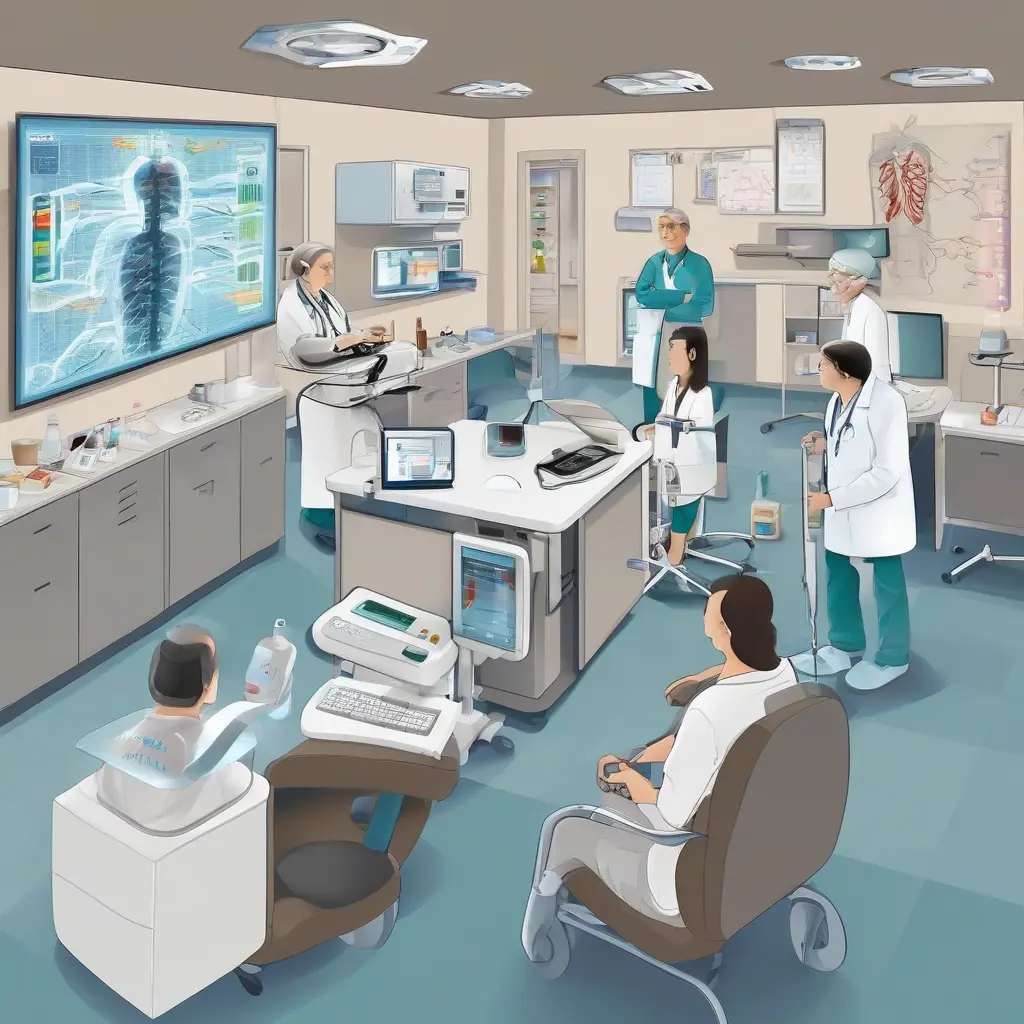
The field of health technology is evolving rapidly, bringing forth innovative solutions designed to enhance patient care and streamline healthcare processes. As technology continues to permeate every aspect of life, the healthcare sector is experiencing significant transformations through advancements such as telemedicine, artificial intelligence, wearable devices, and health data analytics. These innovations not only help healthcare providers improve their efficiency but also empower patients by making healthcare more accessible and personalized. In this article, we will explore the most impactful emerging tech updates in health tech that are shaping the future of healthcare.
Telemedicine: Revolutionizing Access to Care
Telemedicine has emerged as a vital solution for bridging the gap between patients and healthcare providers, especially during the COVID-19 pandemic. This technology allows for remote consultations through video conferencing and secure messaging, offering a convenient alternative to traditional in-person visits. Patients in rural or underserved areas can access specialists without extensive travel, while those with mobility challenges benefit greatly from such platforms. The wide adoption of telemedicine signifies a shift towards more accessible healthcare, with numerous studies showing its potential to improve patient satisfaction and outcomes.
Artificial Intelligence: Enhancing Diagnostic Accuracy
Artificial intelligence (AI) is making waves in health tech by enhancing diagnostic accuracy and streamlining clinical workflows. Machine learning algorithms can analyze vast amounts of medical data quickly, assisting healthcare professionals in making informed decisions. AI-driven tools can detect patterns in imaging studies more accurately than traditional methods, aiding in early disease diagnosis. Moreover, AI applications in predictive analytics help healthcare providers anticipate patient needs and outcomes, maximizing resource allocation. As these technologies continue to evolve, they hold the potential to significantly reduce misdiagnoses and treatment errors.
Wearable Health Devices: Empowering Patients
Wearable health devices, such as smartwatches and fitness trackers, have empowered patients to take control of their health like never before. These devices can monitor vital signs, track physical activity, and even provide alerts for irregularities, promoting early intervention. By recording data over time, wearables also facilitate better communication between patients and healthcare providers, leading to more informed treatment plans. The growing market for wearable technology reflects an increasing consumer interest in proactive health management, and its integration into healthcare systems heralds a new era in patient engagement.
Health Data Analytics: Driving Evidence-Based Care
Health data analytics is transforming how healthcare professionals understand and utilize patient information. By leveraging big data, organizations can uncover critical insights that drive evidence-based care and enhance treatment effectiveness. Analyzing patient histories, treatment outcomes, and demographic data allows researchers and clinicians to identify trends, improve clinical guidelines, and refine care pathways. This data-driven approach supports better health outcomes while optimizing operational efficiencies, making it a cornerstone of modern healthcare strategies. As analytics tools become more sophisticated, the potential for personalized medicine will grow exponentially.
Remote Monitoring: Changing Chronic Disease Management
Remote monitoring technologies are reshaping the landscape of chronic disease management by enabling continuous observation of patients without the need for frequent hospital visits. Devices equipped with sensors can track health parameters like blood glucose levels or heart rates in real-time, allowing healthcare providers to respond swiftly to any changes. This proactive approach not only reduces hospital readmissions but also empowers patients to manage their conditions more effectively. The integration of remote monitoring into patient care plans showcases the potential to improve outcomes for chronic conditions while easing the burden on healthcare facilities.
Blockchain Technology: Ensuring Data Security
Blockchain technology is gaining traction in the health tech sector for its potential to enhance data security and interoperability. This decentralized system allows for secure storage and sharing of medical records across different platforms without compromising patient privacy. By enabling a tamper-proof log of patient data transactions, blockchain helps to eliminate fraud and ensures that healthcare providers have timely access to accurate information. As health data breaches continue to be a growing concern, integrating blockchain solutions can foster trust among patients and providers, ultimately leading to more efficient care delivery.
3D Printing: Customizing Medical Devices
3D printing technology is revolutionizing the production of medical devices and implants, offering a level of customization that was previously unattainable. Through additive manufacturing, healthcare professionals can create tailored prosthetics and dental implants that perfectly fit individual patients. This technique not only enhances the effectiveness of interventions but also reduces wait times and costs associated with traditional manufacturing. As 3D printing continues to develop, its applications will expand further into the creation of bioprinting organs and tissue scaffolds, potentially addressing organ donor shortages in the future.
Robotics in Surgery: Precision and Efficiency
Robotic-assisted surgeries have become a mainstream option for various medical procedures thanks to their precision and minimally invasive capabilities. These advanced systems enhance the surgeon’s skill, providing better visualization and control during operations. Patients also benefit from reduced recovery times and lower risk of complications, making robotic surgery an appealing alternative. As robotic technology advances, it is poised to expand into more complex surgeries, further transforming the surgical landscape. This integration marks a significant milestone in improving surgical outcomes and patient experiences.
Conclusion
The emerging technologies in health tech promise to revolutionize patient care by enhancing accessibility, improving diagnostic accuracy, and fostering proactive health management. As innovations such as telemedicine, artificial intelligence, and wearable devices gain footholds in the industry, the healthcare landscape is set to undergo profound changes. These advancements not only benefit healthcare providers but also empower patients in their health journeys, leading to better outcomes and overall quality of care. Staying updated on these trends is essential for understanding the future of healthcare.