
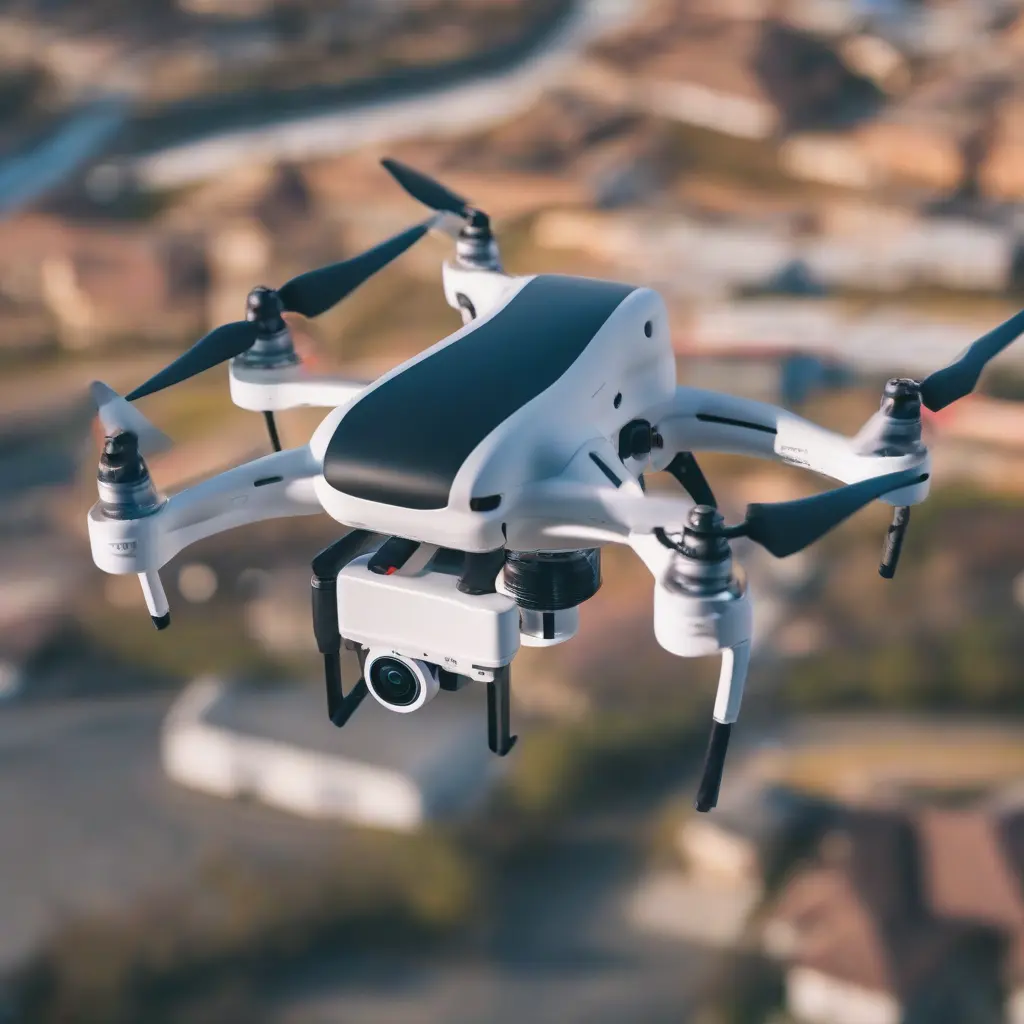
As technology continues to evolve, drones have emerged as powerful tools applicable in various fields beyond just delivery services. From agriculture to emergency response, the versatility and advancements of drone technology are reshaping industries and providing solutions to challenges. This article delves into the latest tech updates in the drone sector, exploring innovative applications that extend far beyond package deliveries, highlighting significant trends and the impact of these advancements.
Agricultural Innovations Using Drones
Drones are rapidly transforming the agricultural sector by enhancing crop management, monitoring, and precision farming. Equipped with high-resolution cameras and sensors, drones enable farmers to assess crop health, analyze soil conditions, and monitor irrigation systems effectively. These insights help in making data-driven decisions, ultimately improving yields and reducing resource waste. By implementing drone technology, farmers can optimize their practices, ensuring sustainable agriculture while addressing food security concerns.
Drones in Environmental Conservation
The role of drones in environmental conservation is becoming increasingly vital, aiding in tasks such as wildlife monitoring, habitat mapping, and anti-poaching efforts. Drones equipped with thermal imaging technology can survey vast areas and track endangered species, providing crucial data to conservationists. Additionally, they facilitate reforestation initiatives by distributing seeds in hard-to-reach areas. By utilizing drones, these projects can achieve efficiency, enhance effectiveness, and gather data that would be challenging to collect otherwise.
Drone Applications in Emergency Response
In emergency response situations, drones serve as vital tools for rescue operations, disaster management, and real-time assessment. They can quickly survey disaster-stricken areas, pinpointing victims and assessing damages without putting human lives at risk. During natural disasters like hurricanes or wildfires, drones enhance situational awareness, helping first responders make informed decisions. This timely information can directly influence rescue strategies and significantly improve recovery efforts.
Drones for Infrastructure Inspection
The use of drones for infrastructure inspection has gained traction due to their ability to access hard-to-reach locations safely and efficiently. Inspecting bridges, power lines, and pipelines can be daunting and dangerous for human workers. Drones equipped with specialized cameras can capture detailed imagery and data, identifying structural defects or maintenance needs. This method not only saves time and resources but also enhances safety for workers, making infrastructure management more effective.
Drones in Filmmaking and Photography
The filmmaking and photography industries have embraced drone technology to enhance visual storytelling. Drones provide unique aerial perspectives that were once challenging to achieve. Equipped with high-definition cameras, filmmakers can capture breathtaking shots, transforming narrative visuals. Additionally, real estate photography has benefited from drones, enabling agents to showcase properties from vantage points that highlight features effectively. This innovative approach attracts potential buyers and elevates marketing strategies.
Drones for Delivery Services: A New Era
Although the focus is on applications beyond delivery, it’s essential to recognize that drones are still fundamentally revolutionizing the delivery services industry. Companies like Amazon and Google have been experimenting with drone deliveries to offer faster service. These autonomous aerial vehicles can navigate quickly and efficiently, reducing delivery times for packages. As regulations evolve and technology advances, we can expect to see a broader integration of drones in logistics, leading to significant changes in supply chain management.
Challenges Faced by Drone Technology
Despite the many benefits drones offer, numerous challenges still hinder their widespread adoption. Regulatory frameworks can limit drone operations, particularly regarding airspace and privacy issues. Furthermore, technological constraints such as battery life and payload capacity affect flight duration and capabilities. Overcoming these challenges is crucial for unlocking the full potential of drones across various applications, requiring collaboration between innovators, regulators, and industry professionals.
The Future of Drone Technology
The future of drone technology appears promising, with continuous advancements expected in areas such as artificial intelligence, batteries, and payload capabilities. Innovations in AI could enable drones to navigate complex environments autonomously, enhancing their applications further. Additionally, improved battery technologies may extend flight times and capabilities, making drones even more effective for various uses. As these developments unfold, industries will likely explore new ways to utilize drones, paving the way for groundbreaking applications.
Conclusion
In conclusion, the latest tech updates in drones reveal their significant and diverse applications beyond delivery services. From agriculture to emergency response and infrastructure inspection, drones are proving their versatility. As technological advancements continue to emerge, the potential for drones to impact various industries will only grow, making it essential for stakeholders to adapt and innovate. The ongoing evolution of drone technology signifies a transformative period that businesses and professionals must consider moving forward.