
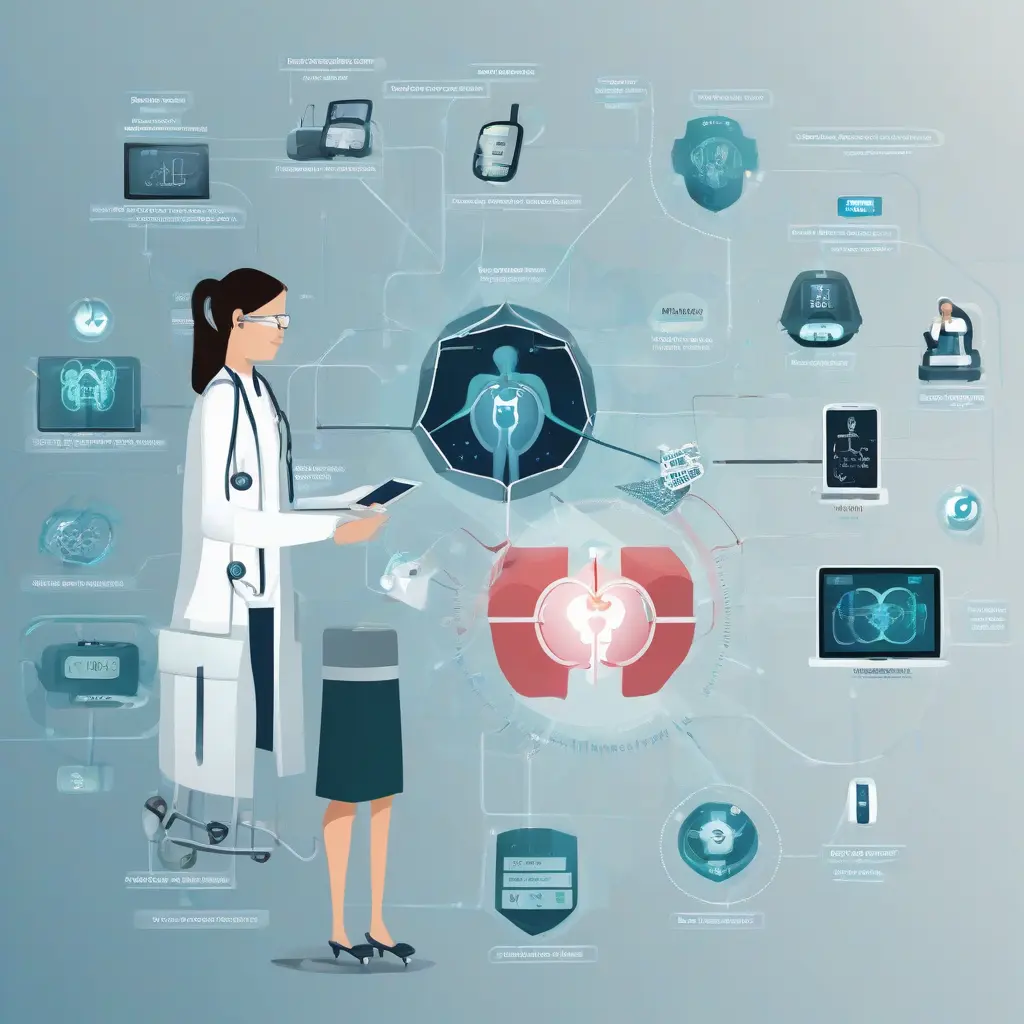
As the Internet of Medical Things (IoMT) continues to grow, securing these interconnected devices has never been more critical. IoMT devices collect and transmit vast amounts of sensitive data, making them prime targets for cyber threats. Recent technological advancements focus on improving the security protocols applicable to these devices to ensure patient safety and data integrity. This article delves into key updates, trends, and technologies that are reshaping the security landscape for IoMT devices in healthcare.
Understanding the IoMT Security Landscape
The Internet of Medical Things comprises various devices that are embedded with sensors and software, enabling connectivity and communication over the internet. Given their nature, IoMT devices are vulnerable to numerous cybersecurity threats such as data breaches, unauthorized access, and ransomware attacks. To safeguard patient data and maintain device functionality, healthcare organizations must implement robust security measures. Understanding the specific threats posed to this ecosystem is crucial for developing effective strategies to mitigate risks.
Importance of Advanced Encryption
One of the most effective methods for securing IoMT devices is the application of advanced encryption techniques. Encryption protects sensitive data during transmission and storage, ensuring that even if data is intercepted, it remains unreadable without the appropriate decryption key. Innovations in encryption algorithms are providing enhanced security measures that can be specifically tailored for IoMT applications. By utilizing advanced encryption, healthcare providers can significantly reduce risks associated with data breaches and unauthorized access.
Utilizing AI and Machine Learning for Threat Detection
Artificial Intelligence (AI) and Machine Learning (ML) technologies are transforming the way cybersecurity threats are detected and mitigated. These technologies analyze vast amounts of data in real time to identify unusual patterns and potential threats that may compromise IoMT devices. By leveraging AI/ML, organizations can proactively respond to security incidents before they escalate. This approach not only enhances security measures but also optimizes operational efficiency, allowing healthcare providers to focus on patient care.
Implementing Strong Authentication Protocols
The adoption of strong authentication protocols is a critical step in securing IoMT devices. Multi-factor authentication (MFA) adds an extra layer of security by requiring users to provide multiple forms of verification before accessing devices or sensitive data. This significantly reduces the risk of unauthorized access, which is a major threat in IoMT environments. Additionally, regularly updating access credentials and implementing role-based access controls can further strengthen device security.
Regular Software and Firmware Updates
Keeping software and firmware up-to-date is essential for maintaining the security of IoMT devices. Manufacturers often release updates to fix known vulnerabilities and improve security features. By implementing a routine maintenance schedule for software updates, healthcare institutions can protect their devices against emerging threats. Furthermore, ensuring that all devices are compatible with security patches prevents exploitation by cybercriminals, making it a fundamental practice in IoMT device management.
Network Segmentation for Enhanced Security
Network segmentation is a strategic approach that divides a larger network into smaller, manageable sections to enhance security. In the context of IoMT devices, this means isolating them from the main hospital network. Doing so limits the potential risk posed by a compromised device, as attackers would have a harder time accessing sensitive areas of the network. Implementing segmentation requires careful planning but significantly strengthens overall cybersecurity posture, allowing for a more controlled and secure digital environment.
Integrating Blockchain Technology
Blockchain technology is emerging as a viable solution for securing IoMT devices. Its decentralized nature offers a way to protect sensitive medical data through immutable records and increased transparency. By utilizing blockchain, healthcare providers can create a secure chain of data ownership that is difficult for hackers to alter. Furthermore, blockchain can assist in verifying the authenticity of devices, ensuring that only trusted machines can interface with the network, thereby enhancing overall security.
Training Healthcare Staff on Security Best Practices
An essential component of securing IoMT devices lies in training healthcare staff on cybersecurity best practices. Human error remains one of the leading causes of security breaches, emphasizing the need for comprehensive training programs. Regular workshops and educational resources can empower staff to recognize potential threats and respond appropriately. Additionally, fostering a culture of security awareness within healthcare organizations can significantly reduce vulnerabilities and enhance the effectiveness of technical security measures.
Importance of Compliance with Regulatory Standards
Adhering to regulatory standards like HIPAA (Health Insurance Portability and Accountability Act) is paramount for healthcare organizations managing IoMT devices. Compliance not only ensures that data is handled appropriately but also helps to avoid legal ramifications associated with data breaches. By aligning security practices with established regulations, organizations can create a strong foundation for protecting sensitive patient information. Regular audits and assessments are also critical in maintaining compliance and improving security initiatives.
Future Trends in IoMT Security
The security landscape for IoMT devices is continually evolving, driven by technological innovations and increasing cyber threats. Future trends indicate a growing integration of artificial intelligence, enhanced encryption methods, and IoT-specific security solutions designed to address unique vulnerabilities. Moreover, the role of regulatory compliance will also expand as governments and organizations understand the importance of setting stringent cybersecurity standards. Staying ahead of these trends will empower healthcare providers to protect sensitive information and ensure patient safety.
Conclusion
Ensuring the security of Internet of Medical Things devices is a multifaceted approach that requires ongoing attention and investment. By incorporating advanced technologies, reinforcing authentication, and fostering a culture of security awareness, healthcare organizations can significantly enhance their security posture. As the landscape continues to evolve, staying informed on new trends and technologies will be vital for safeguarding patient data and maintaining trust in medical systems.