
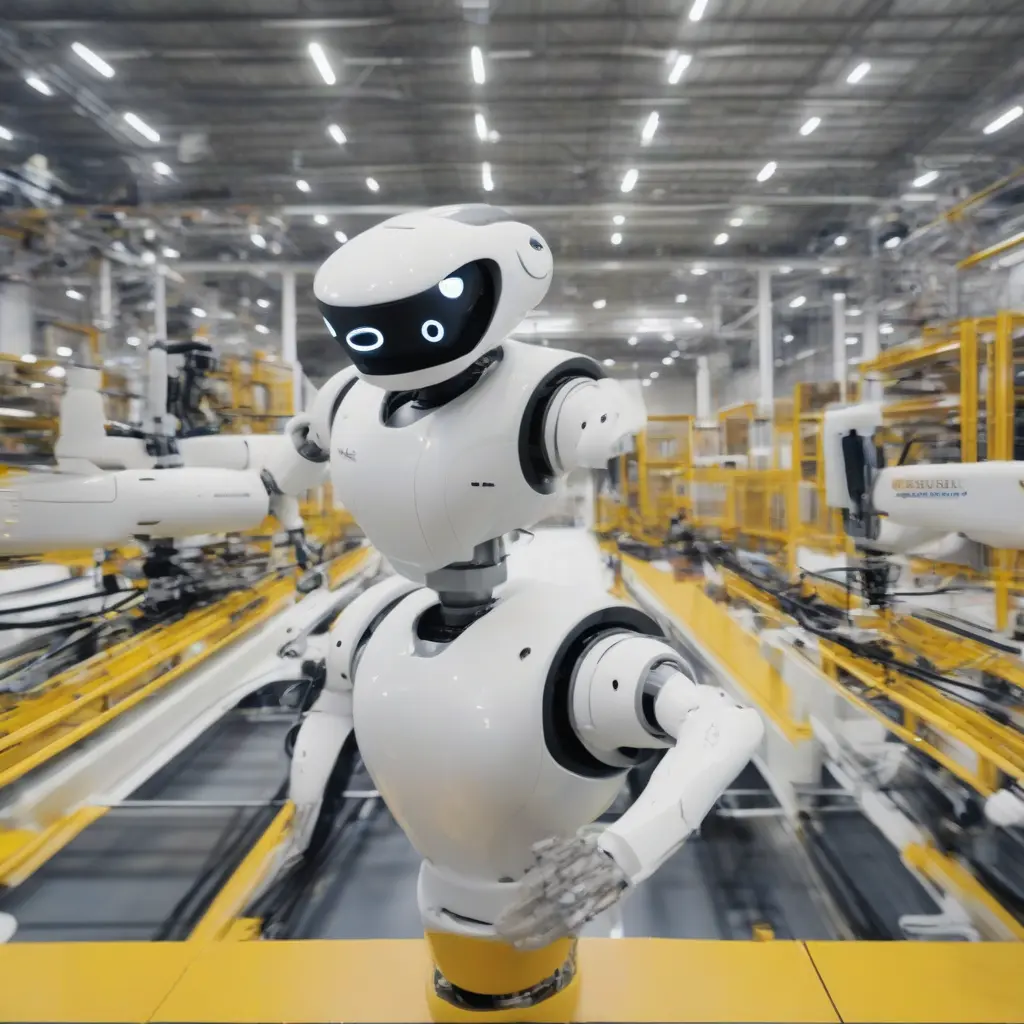
In recent years, advancements in robotics and automation technologies have significantly transformed industries across the globe. From manufacturing to healthcare, these innovations have streamlined processes, lowered operational costs, and enhanced productivity. As companies increasingly adopt robotic solutions, understanding the impact on various sectors becomes essential. This article delves into the latest tech updates in robotics, exploring how automation is driving change and the future implications for the workforce and industries worldwide.
The Rise of Industrial Robotics
Industrial robotics have witnessed a substantial rise in adoption over the past decade, fueled by advancements in technology and decreasing costs. These robots are designed to perform specific tasks in manufacturing environments, greatly enhancing efficiency and precision. Industries such as automotive and electronics rely heavily on robotic arms for assembly, welding, and painting processes, resulting in increased productivity. Additionally, the integration of artificial intelligence into industrial robots has enabled them to adapt and optimize tasks autonomously, pushing the boundaries of traditional manufacturing.
Automation in Healthcare
The healthcare industry has experienced a remarkable shift with the introduction of automation through robotics. Surgical robots, for instance, allow for minimally invasive procedures, which reduce recovery times and improve patient outcomes. Furthermore, robots are also instrumental in managing hospital logistics, such as medication dispensing and patient monitoring. This automation not only enhances operational efficiency in healthcare settings but also allows healthcare professionals to focus on patient care, ultimately leading to better healthcare experiences.
Robotics in Logistics and Supply Chain
Logistics and supply chain management have embraced robotics to optimize operations and reduce costs. Automated guided vehicles (AGVs) and drones are increasingly employed in warehouses and distribution centers to assist in inventory management and product delivery. These robotic solutions enhance speed and accuracy, ensuring that operations are efficient and reliable. As e-commerce continues to grow, the demand for automated solutions in logistics is expected to rise, further transforming how goods are stored and distributed in real-time.
Impact on Employment: Job Displacement vs. Job Creation
While the rise of automation in various industries has raised concerns about job displacement, it is imperative to consider the broader perspective. Although some routine tasks may be lost to robots, new job opportunities arise in sectors like robot maintenance, programming, and supervision. Additionally, automation allows workers to engage in more skilled and valuable tasks, fostering a shift toward higher-skilled roles in the workforce. As automation continues to evolve, adapting the workforce through training programs becomes essential to mitigate its impact on traditional job roles.
Advancements in Collaborative Robots
Collaborative robots, or cobots, have gained prominence for their ability to work alongside humans safely and efficiently. Unlike traditional industrial robots that operate in isolation, cobots are designed to assist human workers by performing repetitive tasks, thereby enhancing productivity without replacing jobs. These robots utilize advanced sensors and AI to understand their surroundings, ensuring safe interactions with humans. As industries increasingly adopt collaborative robots, they promise to redefine teamwork in workplaces and further integrate automation into daily operations.
Robots in Agriculture
The agricultural sector is witnessing a technological revolution with the implementation of robotics aimed at enhancing crop production and efficiency. Automated machinery can handle tasks such as planting, weeding, and harvesting, thereby reducing the reliance on manual labor. With the aid of drones, farmers can monitor crop health, optimize resource use, and improve yields. As these technologies become more accessible, they hold the potential to address labor shortages and to foster sustainable agricultural practices, crucial for meeting the growing global food demand.
Challenges of Robotics Implementation
Despite the numerous benefits, the implementation of robotics comes with its own set of challenges. High initial costs, technical complexities, and integration with existing systems can pose significant hurdles. Additionally, organizations must navigate regulatory frameworks pertinent to operational safety and cybersecurity, particularly in sensitive sectors like healthcare and finance. Awareness and preparedness around these challenges will play a critical role in the successful adoption of robotics, ensuring that businesses can leverage these technologies effectively without compromising on security.
Future Trends in Robotics
The future of robotics is poised to be transformative, with emerging trends set to redefine automated solutions. Continuous advancements in artificial intelligence, machine learning, and sensor technologies will result in more intelligent, adaptable robots. Future trends may include robots with enhanced emotional intelligence for better human-robot interaction, autonomous vehicles for transport, and advanced drones for logistics. Furthermore, as the Internet of Things (IoT) expands, interconnected robotic systems are expected to collaborate seamlessly, leading to smarter automation across industries.
Conclusion
In conclusion, the landscape of robotics and automation is rapidly evolving, significantly impacting various industries by enhancing efficiency and fostering innovation. As businesses increasingly adopt robotic solutions, understanding their implications for the workforce and operational processes becomes crucial. Despite challenges surrounding implementation, the potential benefits of automation promise a transformative future, underscoring the importance of preparing for a tech-driven economy.