
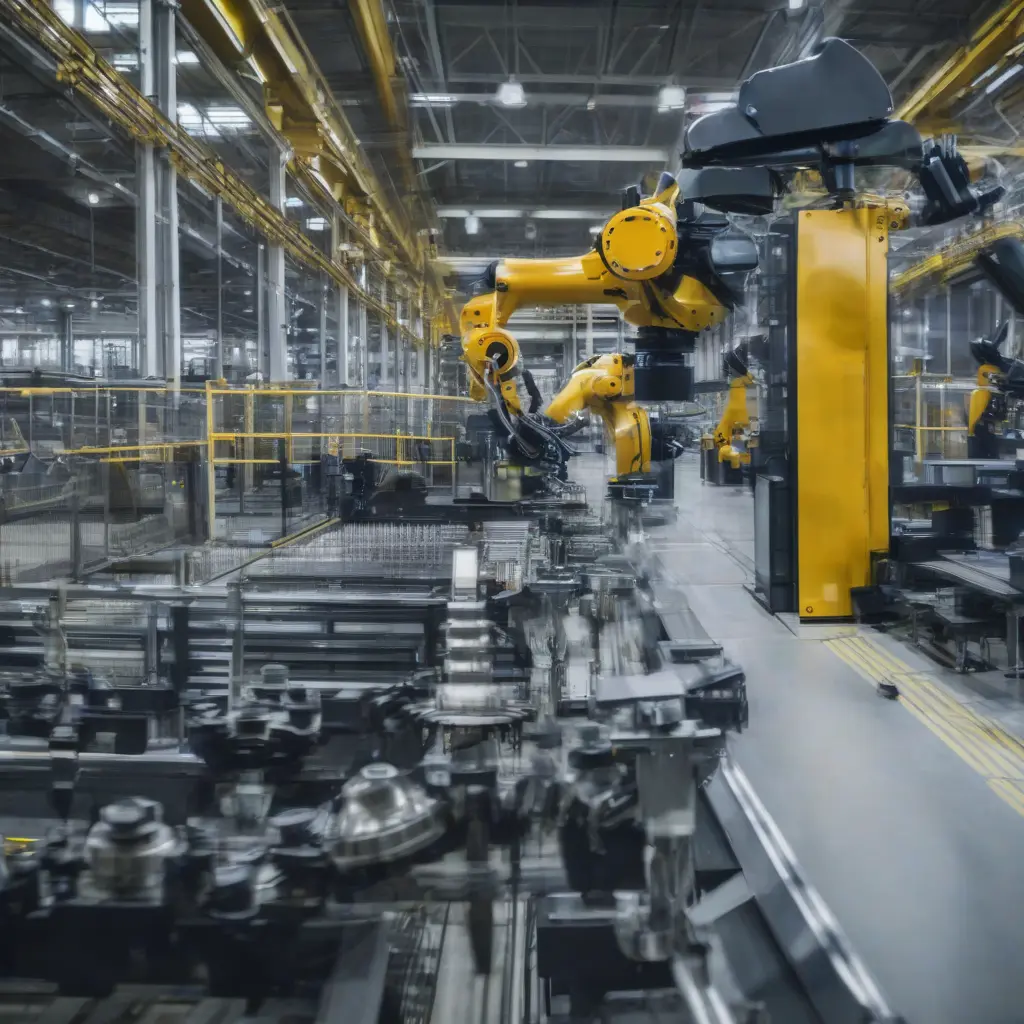
The landscape of smart manufacturing is undergoing significant transformations due to rapid technological advancements. Innovations such as the Internet of Things (IoT), artificial intelligence (AI), and robotics are revolutionizing production lines, increasing efficiency, and reducing costs. This article delves into key updates and trends in smart manufacturing, shedding light on how these technologies are reshaping the industry. From enhanced automation to data-driven decision-making, the modern production line is becoming smarter and more interconnected, leading to unprecedented levels of productivity and sustainability.
The Role of IoT in Smart Manufacturing
The Internet of Things (IoT) has become a cornerstone of smart manufacturing, enabling real-time data collection and analysis across production lines. IoT devices, such as sensors and wearables, facilitate seamless communication between machines and systems, promoting efficiency and minimizing downtime. By collecting data on machinery performance and operational conditions, manufacturers can predict maintenance needs and avoid costly disruptions. Moreover, IoT enhances supply chain visibility, allowing for more agile responses to market demands and improved inventory management, ultimately leading to optimized production processes.
Artificial Intelligence Enhancing Production Efficiency
Artificial intelligence (AI) is playing a crucial role in refining operational processes within smart manufacturing. By leveraging machine learning algorithms, AI systems can analyze vast amounts of data to identify patterns and trends that humans might overlook. This capability enables predictive maintenance, ensuring equipment functions optimally while reducing unexpected failures. Additionally, AI-powered analytics can enhance production planning and scheduling, allowing manufacturers to optimize resources efficiently. The integration of AI fosters a data-driven approach to decision-making, significantly improving overall production efficiency.
Robotics: The Future of Automated Manufacturing
Robotic process automation (RPA) is rapidly transforming the manufacturing landscape, streamlining workflows and enhancing productivity. Modern robotic systems can perform a variety of tasks, from assembly to quality control, with precision and speed that surpass human capabilities. Collaborative robots, or cobots, are also on the rise, working alongside human workers to enhance safety and efficiency. Through advanced programming and machine learning, these robotic systems are becoming increasingly adaptable, allowing manufacturers to easily reconfigure production lines for various tasks or products, thereby improving flexibility.
Data Analytics Revolutionizing Decision-Making
Data analytics has emerged as a vital tool for manufacturers aiming to optimize operations and drive strategic decisions. By harnessing big data from interconnected devices, companies can employ advanced analytics to uncover insights into production performance and customer behavior. These insights facilitate informed decision-making, enabling manufacturers to refine processes, reduce waste, and enhance product quality. Furthermore, predictive analytics can forecast market trends and consumer preferences, allowing manufacturers to align their strategies proactively, thus ensuring a competitive edge in an ever-evolving marketplace.
Cybersecurity Challenges in Smart Manufacturing
As smart manufacturing systems become increasingly interconnected, the importance of cybersecurity cannot be overstated. The integration of IoT devices and cloud computing exposes production lines to cyber threats that can compromise sensitive data and disrupt operations. Manufacturers must invest in robust cybersecurity measures, including firewalls, encryption, and regular security audits, to safeguard their systems. Furthermore, employee training on cybersecurity best practices is essential, as human error remains one of the leading causes of data breaches. A proactive approach to cybersecurity not only protects assets but also builds stakeholder trust.
Sustainability in Smart Manufacturing
Sustainability has become a crucial focus in the realm of smart manufacturing, driven by both consumer demand and regulatory pressures. Innovative technologies enable manufacturers to adopt greener practices, such as reducing energy waste and optimizing resource utilization. Through real-time monitoring and data analytics, organizations can identify inefficiencies in their production processes and implement corrective measures. Additionally, sustainable practices, like using recycled materials and minimizing waste, not only contribute to environmental responsibility but also enhance brand reputation, positioning companies favorably in the competitive market.
Augmented Reality in Training and Maintenance
Augmented reality (AR) is emerging as a transformative tool in smart manufacturing, particularly for training and maintenance purposes. By overlaying digital information onto the physical world, AR aids workers in understanding complex assembly processes and machinery operation. This visual guidance reduces training time and increases accuracy in task execution. Additionally, AR can assist maintenance teams by providing real-time data and visual cues for troubleshooting, thereby minimizing downtime and improving overall efficiency. As AR technology matures, its applications in smart manufacturing will likely expand, further enhancing operational effectiveness.
Implementing Smart Manufacturing Solutions
Successfully implementing smart manufacturing solutions requires a strategic approach, starting with a clear understanding of organizational goals and capabilities. Companies must assess their current infrastructure and identify the technologies that align with their objectives, whether it be IoT, AI, or robotics. Engaging with technology partners and investing in training for employees are critical steps toward a successful transition. Furthermore, developing a robust implementation plan that includes timelines, budgets, and scaling strategies ensures that the advantages of smart manufacturing can be fully realized while minimizing disruptions.
The Future of Smart Manufacturing
The future of smart manufacturing is poised for continual evolution, driven by emerging technologies and changing market dynamics. Innovations such as 5G connectivity will enhance IoT capabilities, allowing for faster data transfer and more efficient communication. The adoption of digital twins and advanced simulations will enable manufacturers to create virtual models of their production lines, facilitating better planning and optimization. As sustainability and personalized production become more prevalent, embracing these technologies will be essential for manufacturers aiming to thrive in an increasingly competitive and demanding market.
Conclusion
The advancements in smart manufacturing technologies are reshaping production lines across various industries, leading to enhanced efficiency, sustainability, and flexibility. From IoT integration to AI-driven analytics, these innovations empower manufacturers to make data-informed decisions and optimize their processes effectively. As this landscape continues to evolve, staying informed about the latest trends and technologies will be crucial for businesses seeking to maintain their competitive edge and drive future growth.