
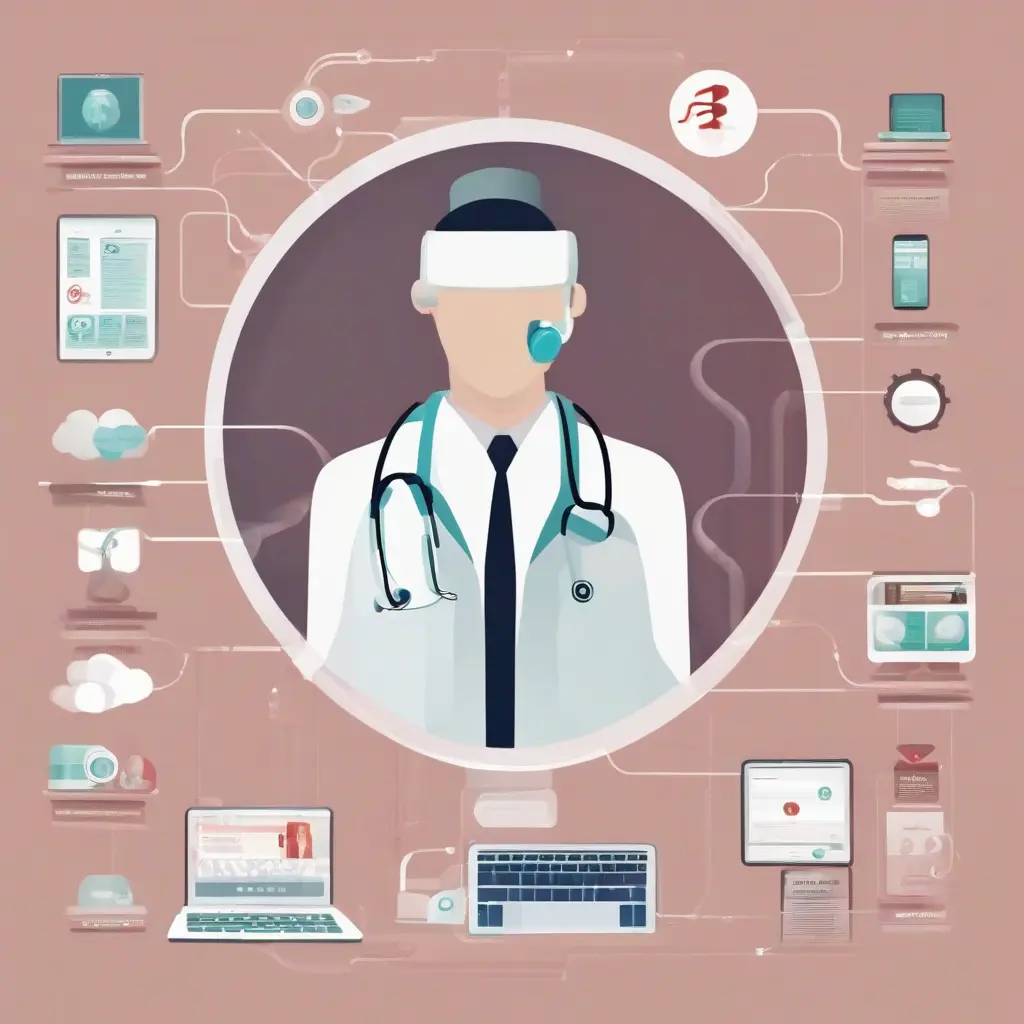
The landscape of telehealth has transformed significantly in recent years, particularly driven by technological advancements that improve access to healthcare services. From virtual consultations to remote monitoring tools, these innovations empower patients to receive quality care from the comfort of their homes. This ongoing evolution not only increases convenience but also aims to reduce barriers to healthcare access, especially for underserved populations. As we delve into the latest tech updates in telehealth, it becomes evident that each innovation is a step toward a more inclusive healthcare system.
The Rise of Virtual Consultations
Virtual consultations have become a staple in telehealth, offering patients the flexibility to meet healthcare providers without in-person visits. This approach is particularly beneficial for those with mobility challenges or living in remote areas. By utilizing video conferencing technology, healthcare professionals can assess and diagnose patients efficiently, ensuring timely interventions. The rise of platforms that support these consultations has made it easier for both patients and providers to connect, enhancing overall access to necessary healthcare services.
Remote Monitoring Technologies
Remote monitoring technologies play a crucial role in managing chronic conditions and promoting preventive care. Devices like wearable fitness trackers and smart health monitors provide continuous real-time data to healthcare providers, which helps in making informed decisions about patient care. This technology enables timely interventions and reduces the need for frequent hospital visits, making healthcare more achievable for patients with ongoing medical issues. Additionally, these advancements empower patients to take charge of their health monitoring, leading to better lifestyle choices.
AI and Machine Learning in Telehealth
Artificial Intelligence (AI) and machine learning are revolutionizing telehealth by streamlining processes and enhancing diagnostic accuracy. These technologies are capable of analyzing vast amounts of patient data to identify patterns and make predictions about disease progression. Furthermore, AI-driven chatbots offer immediate assistance to patients seeking information or scheduling appointments, which helps to reduce administrative burdens for healthcare providers. The integration of AI in telehealth not only enhances efficiency but also provides personalized care tailored to individual patient needs.
Telehealth Accessibility via Mobile Applications
Mobile applications have emerged as powerful tools in expanding telehealth access, making healthcare services available at one’s fingertips. Users can now book appointments, access medical records, and even consult doctors directly through their smartphones. These applications often feature user-friendly interfaces that cater to patients of all ages, ensuring broader usability. The convenience of mobile applications breaks down geographical barriers, allowing users in rural or isolated regions to connect with healthcare services they might otherwise lack.
Improving Mental Health Services through Telehealth
Telehealth has made significant strides in the field of mental health, allowing individuals to seek support without the stigma often associated with in-person visits. Online therapy platforms provide a safe space for patients to address their mental health concerns with licensed professionals. This increased accessibility is crucial for those who might be hesitant to seek traditional therapy due to geographic or social barriers. Furthermore, the convenience of virtual appointments encourages regular communication between therapists and patients, fostering a supportive therapeutic relationship.
Streamlining Prescription Management
The integration of technology in telehealth has also streamlined prescription management, making it easier for patients to receive medications without the usual constraints. E-prescribing systems enable healthcare providers to send prescriptions directly to pharmacies electronically, thus minimizing errors and enhancing the efficiency of the process. Patients benefit from this technology as it reduces wait times and allows for easier medication refills. This seamless process supports continuous care, particularly for those with chronic illnesses requiring consistent medication management.
Data Security and Privacy in Telehealth
As telehealth services expand, ensuring data security and patient privacy has become increasingly crucial. With the rise of digital health platforms, there is a heightened risk of data breaches and unauthorized access to sensitive patient information. Healthcare providers are thus investing in robust cybersecurity measures and compliance protocols to protect patient data. Ensuring that telehealth platforms comply with regulations such as HIPAA is not only a legal requirement but also fundamental to maintaining patient trust in healthcare technologies.
Telehealth Integration with Traditional Healthcare
The integration of telehealth with traditional healthcare systems is vital for establishing a comprehensive patient care model. By blending in-person visits with virtual consultations, healthcare providers can create a more flexible and efficient care plan. This hybrid model facilitates continuity of care, permitting providers to address follow-ups or routine check-ups through telehealth. Patients benefit from this integration by receiving personalized care that is adaptable to their specific needs, ultimately enhancing their overall healthcare experience.
Future Trends in Telehealth Innovations
Looking ahead, several trends are set to shape the future of telehealth innovations. Advancements in virtual reality (VR) and augmented reality (AR) could revolutionize patient education and treatment experiences. Furthermore, the rise of personalized medicine, coupled with ongoing technological developments, promises to provide tailored healthcare solutions. As telehealth continues to evolve, it is crucial for stakeholders to focus on equitable access and ensuring that these innovations reach all populations, particularly those who are underserved.
Conclusion
In summary, the landscape of telehealth is continuously evolving, driven by technological innovations that enhance the accessibility and quality of healthcare services. From remote monitoring to AI applications, these advancements are breaking down barriers and creating a more inclusive system. As we watch the future unfold, it is essential to prioritize equitable access to ensure that all individuals can benefit from these specialized telehealth services.