
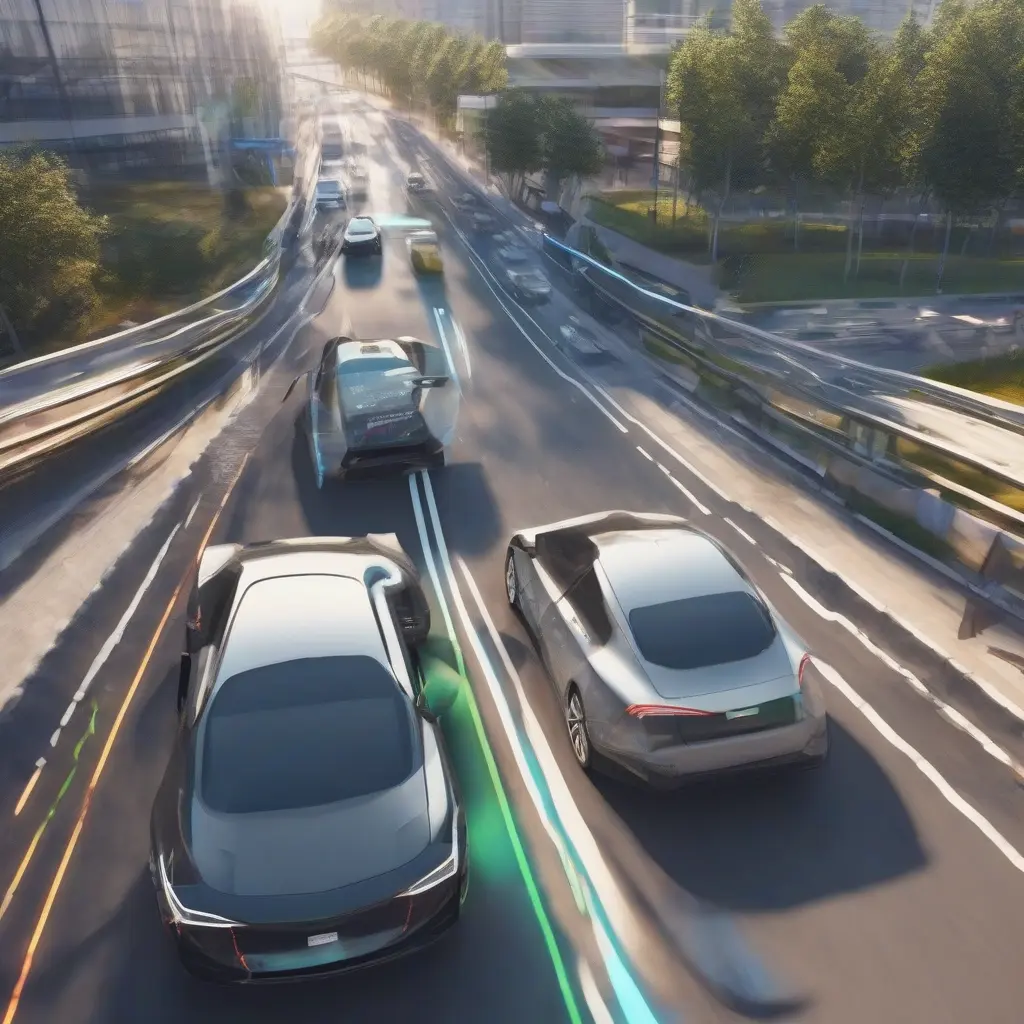
The rapidly evolving landscape of technology continues to influence the transportation sector, particularly in the realm of autonomous vehicle systems. Innovations in artificial intelligence, sensor technologies, and communication networks are driving the development and deployment of self-driving cars. These enhancements are not only improving safety but also revolutionizing how we approach mobility. From logistics to personal transport, the integration of advanced technology is setting the stage for a new era in transportation, promising efficiency and convenience for consumers.
The Role of Artificial Intelligence in Autonomous Vehicles
Artificial intelligence (AI) plays a crucial role in the functionality of autonomous vehicles. AI algorithms process vast amounts of data collected from sensors and cameras, allowing vehicles to make real-time decisions. Machine learning helps these systems improve over time, adapting to various driving conditions and enhancing safety. As AI technology advances, driverless vehicles are becoming more capable of navigating complex environments, from busy city streets to rural roads, ultimately contributing to a significant reduction in accidents and enhancing traffic efficiency.
Advancements in Sensor Technologies
Recent advancements in sensor technologies are fundamental for the development of autonomous vehicles. Lidar, radar, and cameras work together to create a 360-degree view of the vehicle’s surroundings. These sensors help identify obstacles, road signs, and pedestrians, ensuring that the vehicle can safely navigate its environment. The integration of high-definition mapping and real-time data processing increases the accuracy and effectiveness of these systems, paving the way for widespread adoption of autonomous technology and making it safer for all road users.
Vehicle-to-Everything (V2X) Communication
Vehicle-to-Everything (V2X) communication is another leading innovation shaping the future of autonomous transportation. V2X technology enables vehicles to communicate with each other, infrastructure, and even pedestrians, sharing critical information to enhance road safety and efficiency. For instance, vehicles can receive warnings about upcoming traffic signals, accidents, or road conditions, allowing them to adjust their speed or route proactively. By improving the flow of information, V2X aims to reduce traffic congestion while ensuring a seamless transportation experience for all road users.
Public Acceptance and Adoption of Autonomous Vehicles
Public acceptance is crucial for the widespread adoption of autonomous vehicles. As developments in technology continue, education and outreach initiatives become essential in addressing concerns related to safety and reliability. Surveys indicate that while many people are interested in autonomous vehicles, fears regarding accidents and lack of control remain significant barriers. Stakeholders in the automotive industry, including manufacturers and city planners, must collaborate to create not only safer technologies but also initiatives that build trust among potential users, highlighting the advantages of autonomous transport.
Regulatory Frameworks Surrounding Autonomous Vehicles
Effective regulatory frameworks are essential to govern the development and deployment of autonomous vehicles. Governments worldwide are working on creating policies that ensure the safety and security of driverless technologies. These regulations encompass everything from testing and operational parameters to liability issues in the event of accidents. The establishment of clear regulatory guidelines fosters innovation while ensuring vehicles adhere to safety standards, ultimately paving the way for smoother integration of autonomous technology into existing transportation systems.
Impact on Urban Planning and Infrastructure
The rise of autonomous vehicles is expected to significantly impact urban planning and infrastructure development. City planners must consider how these vehicles will interact with existing roadways and public transport systems. New infrastructure, such as smart traffic signals and dedicated lanes for autonomous vehicles, may be required to optimize the efficiency of urban traffic. Additionally, reducing the need for extensive parking facilities could allow cities to repurpose land for public green spaces, enhancing urban livability and promoting sustainable transport solutions.
Economic Implications of Autonomous Vehicle Technology
The economic implications of autonomous vehicle technology are profound, affecting various sectors, including automotive manufacturing, logistics, and insurance. As driverless technology matures, traditional business models may undergo significant transformation. For example, logistics companies could benefit from increased efficiency and reduced operational costs. However, the rise of autonomous vehicles may also disrupt job markets, particularly in driving professions. Addressing these economic shifts will require strategic planning and upskilling initiatives, ensuring that the workforce adapts to the changing job landscape.
Future Trends in Autonomous Vehicle Innovations
Future trends in autonomous vehicle innovations are likely to focus on enhancing safety features and improving overall user experience. Technologies such as advanced perception systems, AI-driven decision-making, and better cybersecurity measures will continue to evolve. Moreover, the integration of shared mobility services will likely change vehicle ownership models, promoting a more efficient use of resources. As research and investment in this field grow, we can expect ongoing breakthroughs that will refine the capabilities of autonomous vehicles, making them a viable option for diverse transportation needs.
Conclusion
In conclusion, the innovations shaping autonomous vehicle systems are set to transform transportation dramatically. From advancements in AI and sensor technologies to regulatory frameworks and economic implications, each aspect plays a vital role in this evolution. As we move towards a future where autonomous vehicles become commonplace, continued public engagement, thoughtful planning, and technological advancements will be paramount in realizing the full potential of this transformative technology.