
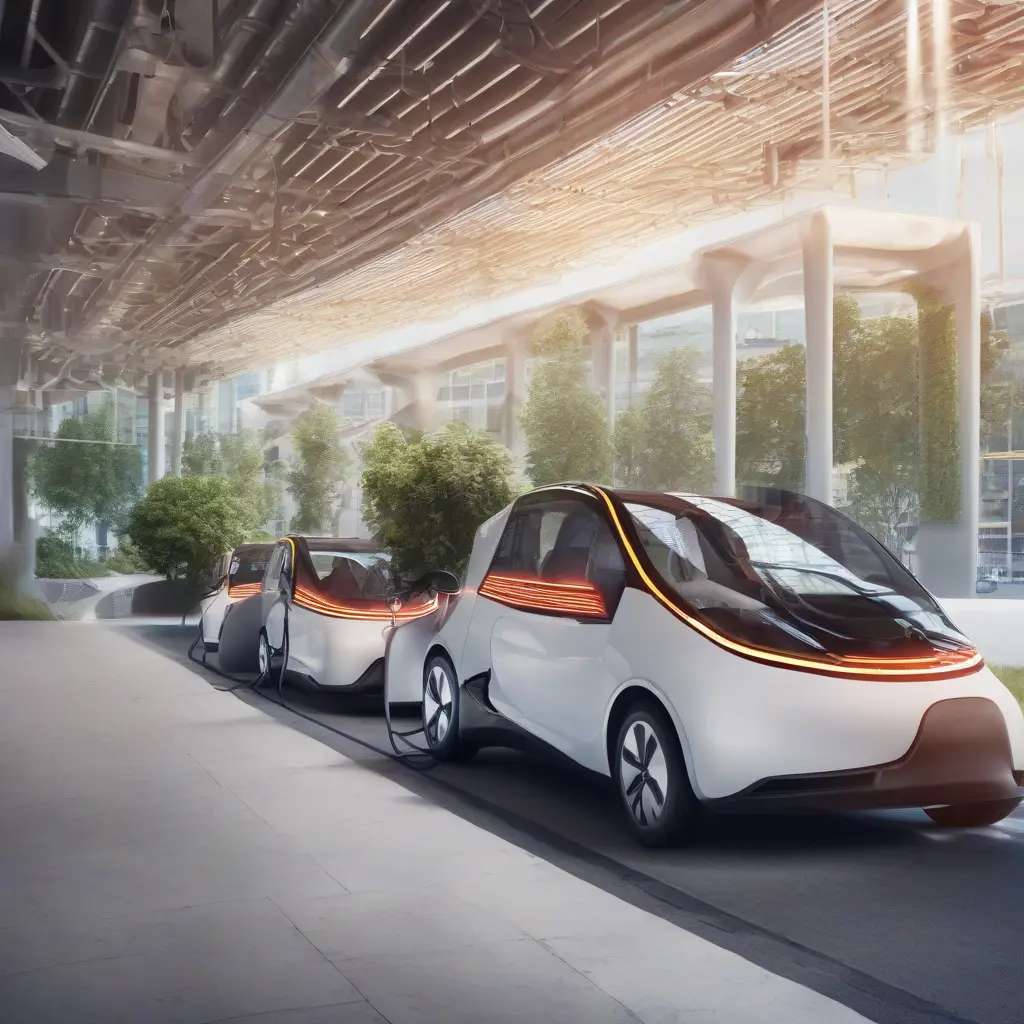
The shift to electric vehicles (EVs) is accelerating as the world increasingly recognizes the need for sustainable transportation solutions. Innovations in technology, infrastructure, and government policies are converging to enhance EV adoption and integrate them into our daily lives. This article delves into recent tech updates in the electric vehicle sector, exploring advancements in battery technology, charging infrastructure, and autonomous driving features. The transition towards a more sustainable future not only targets reducing carbon footprints but also aims to provide safer and more efficient modes of transport.
Advancements in Battery Technology
The cornerstone of electric vehicle performance lies in battery technology, which has seen remarkable advancements in recent years. Companies are focusing on developing higher energy-density batteries, allowing vehicles to travel longer distances on a single charge. Solid-state batteries, for example, are being explored as a safer and more efficient alternative to traditional lithium-ion batteries. This shift promises faster charging times and enhanced longevity, making EVs more practical for everyday consumers while reducing range anxiety, a common concern among potential buyers.
Innovations in Charging Infrastructure
To support the increasing number of electric vehicles on the road, significant improvements in charging infrastructure are essential. Fast-charging networks are being expanded, enabling EV owners to recharge their vehicles in less time and reduce downtime. Additionally, many cities are installing smart charging stations equipped with renewable energy sources, helping to decrease emissions related to electricity generation. These advancements not only foster consumer confidence in EVs but also encourage more people to make the shift towards sustainable mobility, contributing to a greener future.
Government Incentives for EV Adoption
Governments worldwide are recognizing the importance of transitioning to electric vehicles and are implementing various incentives to promote their adoption. Tax breaks, rebates, and grants are increasingly being offered to both consumers and manufacturers, lowering the financial barriers associated with purchasing an EV. Moreover, policies aimed at reducing carbon emissions are pushing automakers to invest in electric vehicle technology, which accelerates the development of new models and features. These initiatives play a vital role in building momentum in EV adoption and facilitating the shift to sustainable transportation.
The Role of Autonomous Driving
Autonomous driving technology is another critical component in the evolution of electric vehicles, enhancing both convenience and safety for users. Companies are integrating advanced driver-assistance systems (ADAS) that rely on AI and machine learning algorithms to improve navigation and driving efficiency. These technologies can significantly reduce accident rates and traffic congestion while optimizing energy usage. As self-driving capabilities become more refined, they may further incentivize EV ownership by providing a seamless driving experience, appealing particularly to urban residents seeking efficient mobility solutions.
Impact of Connected Vehicles
Connected vehicle technology is revolutionizing the way electric vehicles communicate with their surroundings. Through vehicle-to-everything (V2X) communication, EVs can exchange data with infrastructure, other vehicles, and networks, providing drivers with real-time information about traffic conditions, charging stations, and route optimization. This interconnectedness enhances overall road safety and fosters greater efficiency in urban transportation systems. As these technologies continue to develop, they will play a significant role in shaping the future of mobility, making cities smarter and more sustainable.
Energy Management Systems in EVs
Modern electric vehicles are increasingly equipped with sophisticated energy management systems that optimize the usage of electrical power. These systems monitor battery performance and adjust energy consumption patterns based on driving conditions, ultimately enhancing efficiency. Regenerative braking is a notable feature, allowing EVs to recapture energy that would otherwise be lost during braking, thus extending the vehicle’s range. Such innovations not only contribute to the sustainability goals of electric vehicles but also cater to the growing consumer demand for efficient and eco-friendly solutions.
EV Market Trends and Future Predictions
The electric vehicle market is experiencing rapid growth, driven by technological advancements and changing consumer preferences. Analysts predict that EV sales will continue to rise exponentially in the coming years, with many traditional automakers committing to electrifying their fleets. Public perception of EVs is shifting positively, with increasing awareness of their benefits over conventional vehicles. This trend indicates not only a transformation in the automotive industry but also a broader recognition of the need for sustainable mobility solutions as cities strive to reduce their carbon footprints.
Challenges in Electric Vehicle Adoption
Despite the promising advancements in electric vehicles, several challenges remain that hinder widespread adoption. Issues such as high initial costs, limited range, and insufficient charging infrastructure can deter potential buyers. Additionally, the need for raw materials required for battery production raises ethical and environmental concerns. Addressing these challenges will require collaboration between manufacturers, governments, and technology providers to develop cost-effective solutions, improve infrastructure, and ensure that the benefits of electric mobility are accessible to all consumers.
Contribution to Sustainable Urban Development
Electric vehicles play a crucial role in promoting sustainable urban development by reducing reliance on fossil fuels and lowering greenhouse gas emissions. As cities combat air pollution and climate change, integrating EVs into public transportation systems offers a viable solution. Many municipalities are replacing diesel buses with electric alternatives, improving air quality and public health. Additionally, the incorporation of EVs into urban planning encourages the development of green spaces and smart city initiatives. This holistic approach ensures that transportation evolves alongside environmental sustainability, ultimately leading to healthier urban environments.
Conclusion
In conclusion, the electric vehicle sector is rapidly evolving, supported by advancements in technology and a growing awareness of sustainable mobility solutions. From improvements in battery efficiency to expanding charging infrastructures, these developments are paving the way for a greener future. As governments promote EV adoption through incentives and manufacturers innovate with autonomous driving and energy management systems, the potential for electric vehicles to transform transportation becomes increasingly tangible. Embracing this transition is essential for achieving a more sustainable and environmentally friendly mobility landscape.