
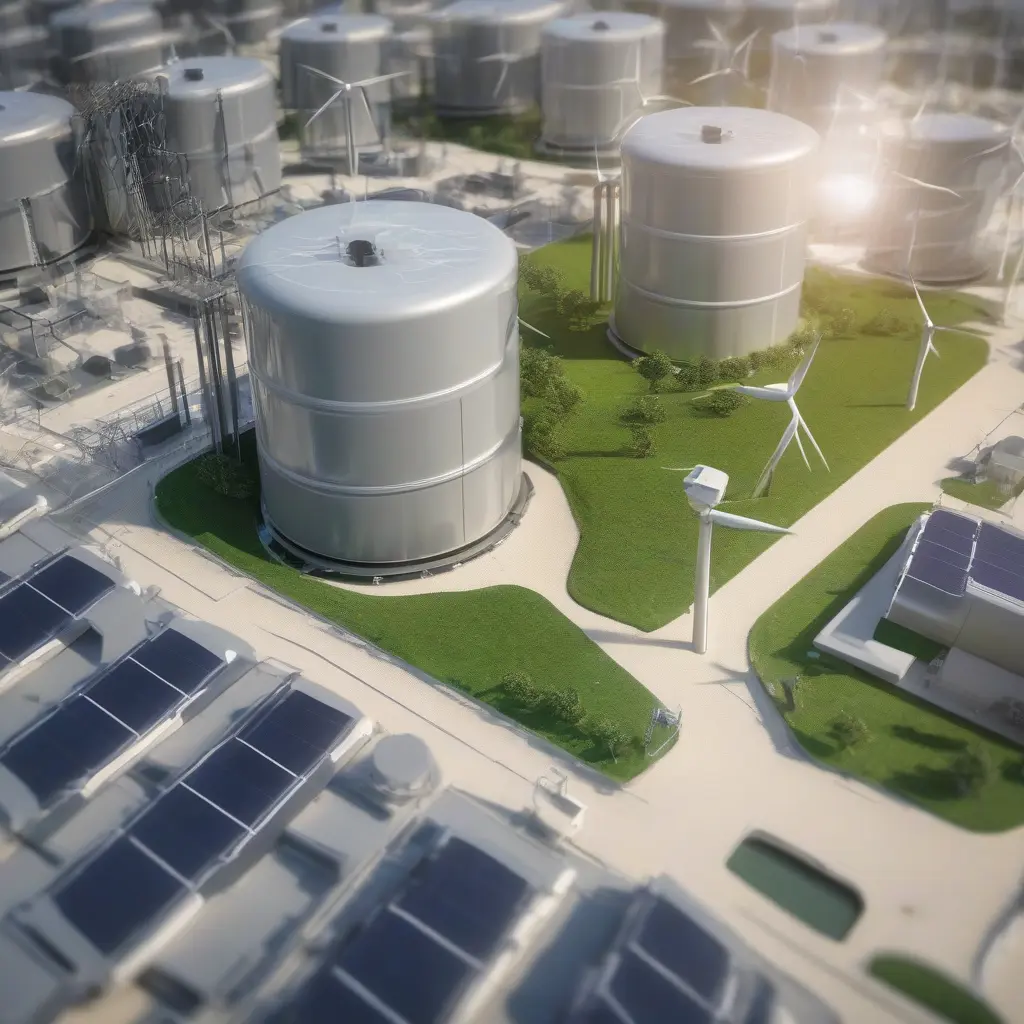
The rapid development of energy storage technologies plays a pivotal role in the broader adoption of renewable energy sources. As countries and corporations shift towards cleaner energy solutions, effective storage is essential for addressing the intermittency of solar and wind power. Technological advancements have made energy storage systems more efficient, cost-effective, and scalable, thereby fostering confidence in renewable energy investments. In this article, we will explore various tech updates in energy storage, their implications for renewable energy adoption, and how they shape the future of energy globally.
Understanding Energy Storage Technologies
Energy storage technologies are systems that capture energy for use at a later time, an essential feature for balancing supply and demand in renewable energy systems. The most commonly used types include batteries, pumped hydroelectric storage, and thermal storage. Each technology has distinct advantages; for example, lithium-ion batteries are popular for their compact size and efficiency, while thermal storage systems can provide significant capacity for large-scale applications. Understanding these technologies is crucial for implementing effective renewable energy strategies that ensure a stable energy supply.
Recent Advances in Battery Technology
Battery technology has undergone significant advancements, leading to improvements in energy density, charging rates, and lifespan. Solid-state batteries are a notable innovation, potentially offering greater safety and higher energy capacity compared to traditional lithium-ion batteries. These advancements contribute to enhancing electric vehicles and grid storage solutions, making renewable energy more feasible. As battery costs decrease and performance improves, the energy storage landscape is rapidly evolving, directly impacting renewable energy adoption.
The Role of Smart Grids
Smart grids are revolutionizing how energy is generated, distributed, and consumed, facilitating greater integration of renewable energy sources. Through advanced sensors, automated systems, and data analytics, smart grids enable real-time monitoring and management of energy flows. They improve the efficiency and reliability of energy systems and enhance the effectiveness of energy storage technologies. By allowing for dynamic adjustments based on supply and demand, smart grids are critical in optimizing the use of renewable energy and storage.
Impact of Government Regulations
Government regulations and policies significantly influence the adoption of energy storage technologies and renewable energy. Incentives such as tax credits, grants, and subsidies can drive investments in energy storage solutions. Regulations may also set standards for energy efficiency and emissions, prompting industries to adopt cleaner alternatives. As governments worldwide set ambitious climate targets, the regulatory landscape is becoming more favorable for innovative energy storage technologies, incentivizing broader adoption of renewables.
Cost Reduction Trends
The cost of energy storage technologies has been declining in recent years, making renewable energy solutions more economically viable. This trend is particularly evident in battery technology, where economies of scale and advancements in manufacturing processes have driven prices down. As cost barriers diminish, more organizations and individuals are opting for renewable energy solutions coupled with effective storage systems. Lower costs not only enhance adoption rates but also support the development of new business models centered around energy storage.
The Future of Energy Storage Technologies
The future of energy storage technologies looks promising, with ongoing research and development aimed at improving efficiency and sustainability. Innovations in flow batteries, ultra-capacitors, and novel materials show great potential for enhanced performance. Additionally, integrating renewable energy sources with advanced storage solutions can facilitate energy independence and reduce reliance on fossil fuels. The continuous evolution of these technologies will be crucial in shaping a resilient and sustainable energy future.
Challenges Facing Energy Storage Adoption
Despite the numerous benefits, there are challenges facing the widespread adoption of energy storage technologies. High initial investment costs can deter potential adopters, and concerns about environmental impacts related to battery disposal and resource extraction persist. Furthermore, technical limitations, such as energy density and efficiency, can hinder performance. Addressing these challenges requires collaboration among stakeholders, including policymakers, manufacturers, and researchers to accelerate the deployment of effective energy storage solutions.
Case Studies of Successful Implementation
Several case studies demonstrate the successful implementation of energy storage technologies in various settings. For instance, Tesla’s Gigafactory in Nevada produces lithium-ion batteries at scale, significantly reducing costs and supporting widespread electric vehicle adoption. Another example is the Hornsdale Power Reserve in Australia, a massive battery installation that helps stabilize the electricity grid while integrating high levels of wind energy. These projects exemplify how innovative storage solutions can enhance renewable energy use and encourage further investment.
Conclusion
In conclusion, advancements in energy storage technologies significantly impact the adoption of renewable energy by ensuring reliability and efficiency. Through various innovations and supportive policies, energy storage solutions are increasingly integral to transitioning to a sustainable future. As the energy landscape continues to evolve, overcoming challenges and embracing new technologies will be essential for maximizing the potential of renewable sources.