
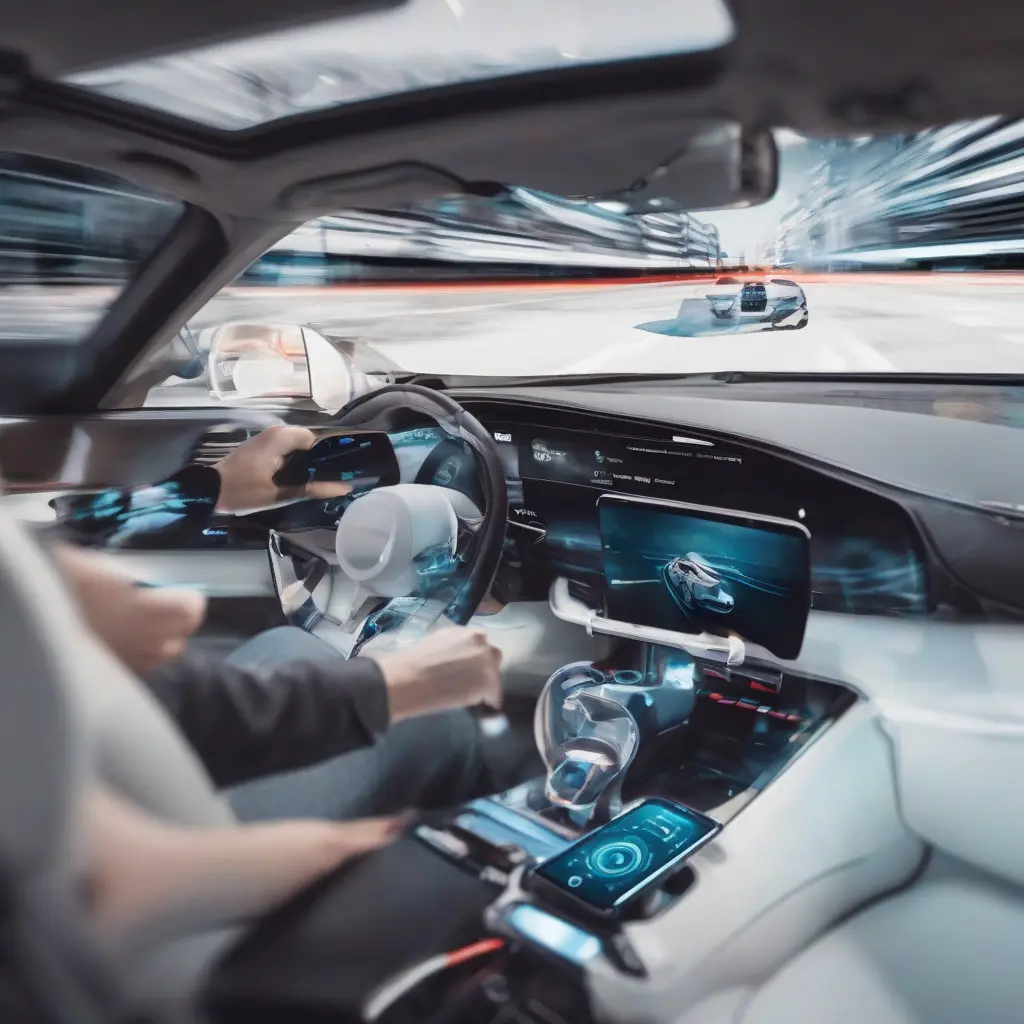
The automotive industry is undergoing significant transformations in 2023, driven largely by technological advancements. Innovations in electric vehicles, artificial intelligence, and automation are reshaping how we perceive and interact with cars. As consumer preferences shift toward sustainability and smarter solutions, manufacturers are responding with cutting-edge technologies. This article explores the latest updates in the automotive sector, highlighting key trends and their implications for drivers and manufacturers alike.
Advancements in Electric Vehicle Technology
Electric vehicles (EVs) are at the forefront of automotive technology updates in 2023. Major manufacturers are investing heavily in battery technology, enhancing energy density and reducing charging times. Recent innovations include solid-state batteries that promise longer ranges and improved safety features. Additionally, the expansion of charging infrastructure is simplifying the ownership experience for EV drivers. As a result, consumers are more inclined to consider electric vehicles, making them a primary focus for manufacturers looking to remain competitive in the industry.
The Rise of Autonomous Driving Systems
Autonomous driving technology is rapidly progressing, with 2023 marking a pivotal year for self-driving vehicles. Developers are refining algorithms that allow cars to interpret complex road conditions and make informed decisions in real time. Key players like Tesla, Waymo, and Cruise are conducting extensive trials, moving closer to the goal of full autonomy. Enhanced safety features, such as collision avoidance and adaptive cruise control, are also becoming standardized in many new vehicles. As regulatory hurdles are addressed, consumers may soon have more access to this revolutionary tech.
Integration of AI in Vehicle Software
Artificial intelligence is revolutionizing how vehicles operate by enabling smart features that enhance user experience. In 2023, automakers are integrating AI-driven systems for tasks such as predictive maintenance, navigation, and personalized driving assistance. These systems learn from user behavior, allowing vehicles to adapt to individual preferences over time. Additionally, AI-driven analytics can improve in-car entertainment and connectivity options, providing drivers with an unprecedented level of personalization. This trend toward AI integration fosters a new era of driver-centered automotive technology.
Enhanced Connectivity and IoT Integration
The Internet of Things (IoT) is playing an increasingly vital role in the automotive sector. In 2023, vehicles are equipped with advanced connectivity features that allow for real-time data sharing between cars, infrastructure, and users. This integration enhances navigation systems, improves traffic management, and increases overall safety on the road. Furthermore, connected vehicles can receive over-the-air software updates, ensuring they remain current with the latest features and security measures. As connectivity improves, so does the potential for smarter, safer driving experiences for all users.
Sustainability Initiatives in Automotive Manufacturing
Sustainability remains a top priority for automotive manufacturers in 2023, with many companies adopting eco-friendly practices in production. This includes using renewable energy sources and implementing circular economy principles, such as recycling materials and reducing waste. Additionally, manufacturers are exploring sustainable sourcing for raw materials utilized in electric vehicle batteries. This focus on sustainability not only helps reduce the industry’s carbon footprint but also appeals to environmentally conscious consumers. As public awareness of climate change rises, such initiatives can significantly influence buying decisions.
The Evolution of In-car Experience
In-car technology is evolving, focusing on creating an immersive experience for passengers. In 2023, manufacturers are prioritizing user interfaces, integrating augmented reality (AR) displays, and enhancing infotainment systems. These updates allow drivers and passengers to access information easily, including navigation aids, entertainment options, and vehicle diagnostics. Additionally, advanced sound systems and interactive controls are contributing to a more engaging atmosphere inside vehicles. As technological advancements continue, the in-car experience is expected to become one of the key differentiators for competing automotive brands.
Regulatory Changes Impacting Automotive Technology
Regulatory frameworks are adapting to accommodate the rapid advancements in automotive technology. In 2023, many governments are implementing new policies surrounding EVs, autonomous systems, and data privacy. These regulations aim to ensure public safety while promoting innovation within the industry. For instance, guidelines concerning autonomous vehicles focus on testing standards and liability issues, ultimately facilitating wider adoption. It is crucial for manufacturers to stay informed about these changes as they navigate the challenges of compliance and strive to enhance consumer confidence in new technologies.
Impact of 5G Technology on Automotive Connectivity
The rollout of 5G technology is significantly enhancing automotive connectivity in 2023. With faster speeds and lower latency, 5G allows vehicles to communicate with each other and surrounding infrastructure in real time. This connectivity paves the way for more effective traffic management systems, improving safety and efficiency on the roads. Features such as vehicle-to-everything (V2X) communication are becoming increasingly feasible, enabling drivers to receive timely warnings about potential hazards. The advent of 5G technology is expected to be a game-changer for smart cities and transportation ecosystems.
Trends in Automotive Design Influenced by Technology
Technological advancements are also transforming automotive design, leading to vehicles that are more aerodynamic and efficient. In 2023, manufacturers are incorporating computational design tools and simulations to create optimized vehicle structures. This technology enables engineers to experiment with various materials and shapes, resulting in lighter yet stronger vehicles. In addition, design trends highlight a focus on sustainability, with innovative materials being used to reduce environmental impact. As consumers become more discerning, aesthetics and functionality are merging in exciting ways, encouraging a new approach to automotive design.
Conclusion
The automotive industry is experiencing a dynamic transformation in 2023, driven by advancements in technology across multiple domains. From electric vehicles and autonomous systems to enhanced connectivity and sustainable practices, these updates are reshaping how consumers experience driving. As innovation continues to accelerate, manufacturers must stay vigilant to adapt and embrace change. Ultimately, the adoption of these technologies not only meets evolving consumer expectations but also plays a crucial role in shaping the future of mobility.