
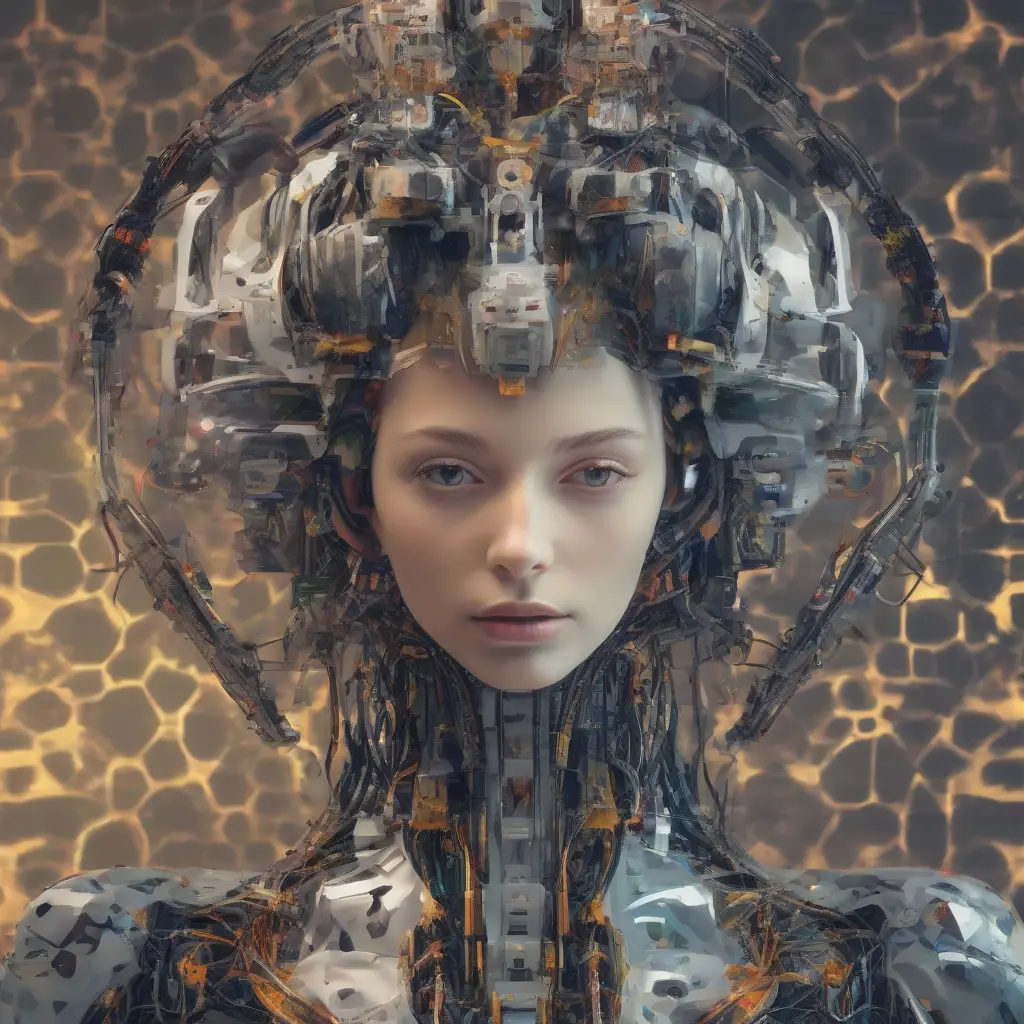
The emergence of AI image generators represents a significant shift in the landscape of art creation. These tools leverage advanced algorithms to produce stunning visuals, enabling both professional artists and hobbyists to explore new dimensions of creativity. As AI technology evolves, its capacity to generate artwork in various styles and formats has garnered immense interest. This transformation is not only reshaping artistic expression but also democratizing the art world by making it accessible to those without traditional training. The intersection of technology and creativity is paving the way for a new era of artistic innovation.
Understanding AI Image Generators
AI image generators utilize machine learning algorithms to create images based on data inputs. These tools analyze vast datasets of existing artwork, learning patterns, colors, and styles. By using techniques such as neural networks, AI can interpret creative prompts to generate unique images. This technology allows artists to experiment with various inputs and parameters, resulting in an infinite array of possibilities. As a result, both seasoned artists and novices can explore diverse artistic avenues that were previously unattainable without significant effort or experience.
Popular AI Image Generation Tools
Several AI image generation tools have gained popularity for their ease of use and impressive output. Notable examples include DALL-E 2, Midjourney, and Artbreeder. DALL-E 2 can create images from textual descriptions, allowing users to visualize concepts that may not exist. Meanwhile, Midjourney focuses on stylistic nuances and helps users produce aesthetically pleasing art through its unique algorithm. Artbreeder, on the other hand, allows users to blend images, leading to collaborative creativity where multiple artists can enhance and evolve the artwork collaboratively.
Impact on Traditional Artists
The rise of AI image generators is stirring varied reactions among traditional artists. While some view this technology as a threat to conventional artistry and craftsmanship, others see it as an opportunity for growth and exploration. Artists can harness AI to augment their creativity, using these tools to generate pieces that inspire new ideas or methodologies. By collaborating with AI, traditional artists can push the boundaries of their work, experimenting with styles and techniques beyond their usual repertoire. This partnership can foster a more diverse and dynamic art community.
Ethical Considerations in AI Art
As AI image generators gain traction, ethical questions arise concerning authorship and ownership of digital art. The debate centers on whether the AI or its human operator should be regarded as the creator. Additionally, concerns about copyright infringement emerge, especially when AI tools use existing works to train their algorithms. Establishing guidelines and frameworks for the ethical use of AI in art creation is crucial to navigate these challenges. This ongoing dialogue aims to balance innovation with respect for individual artists’ rights and contributions.
The Future of AI in Artistic Creation
The future of AI in artistic creation appears promising, with ongoing advancements enhancing both accessibility and capabilities. Innovations such as real-time collaboration features and improved user interfaces will make these tools even more versatile. As AI continues to develop, we may see it integrated into traditional artistic processes, creating hybrid forms of art that merge human intuition with algorithmic creativity. This evolution could lead to entirely new genres and experiences, showcasing the limitless potential that AI holds for the art world.
AI Image Generators in Education
Educational institutions are beginning to integrate AI image generators into art curricula. This approach encourages students to explore technology’s role in creativity while developing their artistic skills. By utilizing these tools, students gain insights into the iterative design process and the importance of feedback. Such experiences can enhance traditional art education, preparing the next generation of artists to navigate a rapidly evolving digital landscape. Incorporating AI into learning environments fosters an understanding of collaboration between human creativity and machine efficiency.
Cultural Implications of AI Art
The cultural implications of AI-generated art are profound, challenging traditional perceptions of creativity and authorship. As AI becomes more integrated into the creative process, questions arise about the role of culture in art creation. AI tools can mimic various cultural styles, leading to discussions on authenticity and cultural appropriation. Artists and critics must engage in conversations about the significance of cultural context in AI-generated works, helping to shape a more inclusive understanding of art in a rapidly globalizing world.
AI Creativity vs. Human Creativity
The juxtaposition of AI creativity and human creativity continues to spark debate within the art community. While AI image generators can produce visually compelling content, they lack the emotional depth and personal experiences that human artists infuse into their work. This distinction highlights a crucial aspect of art: the narrative and context that human creators bring to their pieces. Understanding the relationship between AI-generated art and human-made art can enrich discussions about artistic merit and influence how we appreciate and critique art in the future.
Conclusion
The rise of AI image generators is fundamentally transforming the landscape of art creation, offering new opportunities for exploration and expression. As technology continues to evolve, it invites both challenges and possibilities that necessitate thoughtful engagement. Navigating the ethical and cultural implications of AI art will be critical in shaping a future where both human and machine creativity can coexist. Understanding this evolving relationship will pave the way for innovative artistic endeavors that celebrate diversity, collaboration, and the endless potential of imagination.