
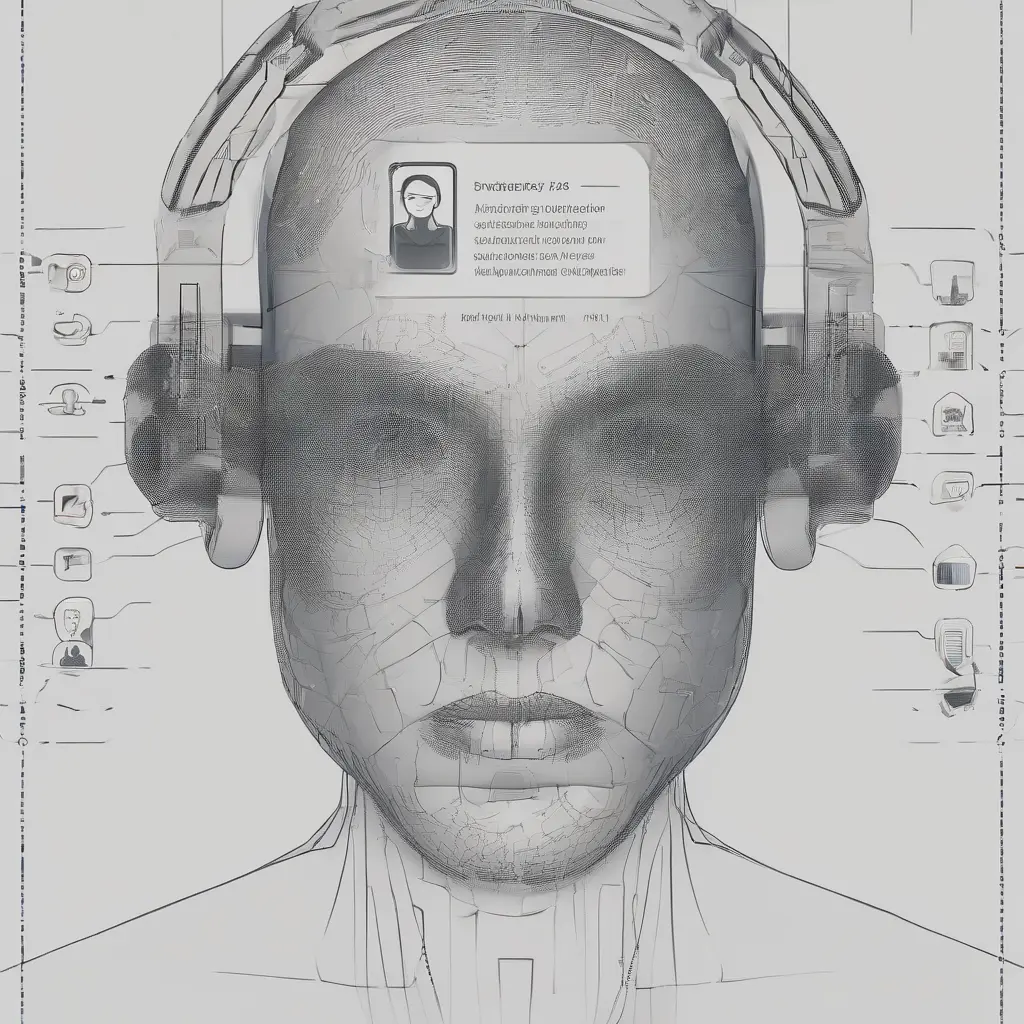
As biometric technology continues to evolve in 2023, significant developments are emerging alongside rising privacy concerns. Biometrics, including fingerprint recognition, facial recognition, and iris scanning, are becoming increasingly integrated into everyday life. This convergence raises essential questions regarding user consent, data security, and the implications of mass surveillance. Individuals and organizations alike are grappling with balancing the benefits of enhanced security and convenience that biometric tech offers against the potential risks to personal privacy. Understanding these dynamics is crucial for navigating the shifting landscape of technology and ethics in our digital age.
Current Trends in Biometric Technology
In 2023, biometric technology is witnessing several noteworthy trends that enhance user experience and security. Improved algorithms are increasing the accuracy of biometric identification systems, significantly reducing false positives and negatives. Additionally, the integration of biometric authentication with mobile and smart devices has made it more accessible, prompting widespread adoption. This trend is particularly evident in the banking sector, which is utilizing biometrics for secure transactions and fraud prevention. As consumers become more familiar with these technologies, the demand for seamless and user-friendly biometric solutions is expected to grow.
The Rise of Biometric Authentication in Security
Biometric authentication has emerged as a leading method for enhancing security across various sectors in 2023. With traditional password systems being vulnerable to hacks and breaches, organizations are turning to biometric solutions for identity verification. This transition is evident in workplaces, airports, and public facilities where facial recognition and fingerprint scanning have become commonplace. Such technologies provide a more robust framework for safeguarding sensitive data and physical access. However, the implementation of these systems also raises critical questions about the potential for misuse and the ethical implications of constant surveillance.
Privacy Concerns Surrounding Biometric Data
As biometric technology proliferates, privacy concerns are becoming increasingly prominent. The collection and storage of biometric data raise significant issues regarding consent, ownership, and potential misuse. Unlike passwords, biometric identifiers are unique and cannot be easily changed if compromised. This permanence amplifies fears about identity theft and unauthorized access to personal information. Regulatory bodies and privacy advocates are calling for stricter laws and guidelines to govern the use of biometric data, ensuring individuals’ rights are protected in an era marked by rapid technological advancements.
Legislation and Regulation in Biometric Technology
In response to growing privacy concerns, various countries are beginning to enact legislation regulating the use of biometric technology. In 2023, several jurisdictions are implementing stricter requirements for data collection, user consent, and storage practices. For instance, the European Union’s General Data Protection Regulation (GDPR) includes explicit measures for biometric data, categorizing it as sensitive information that necessitates additional protection. As legislators grapple with these challenges, it is crucial to strike a balance between fostering innovation in biometric technologies and ensuring robust safeguards to protect individual privacy.
Public Perception of Biometric Technology
Public acceptance of biometric technology is a mixed bag in 2023, influenced by factors such as convenience, security, and privacy concerns. While many individuals appreciate the efficiency biometric systems offer, particularly in streamlining tasks like unlocking devices or making payments, others are apprehensive about the implications for personal privacy. Surveys indicate that a significant portion of the population supports biometric solutions if accompanied by clear privacy measures. This dichotomy highlights the necessity for transparent communication from organizations that implement biometric systems to foster trust and understanding among users.
Future Innovations in Biometric Technology
Looking ahead, innovations in biometric technology promise to introduce more sophisticated and secure methods of identity verification. Advancements such as behavioral biometrics, which analyze patterns in user behavior for authentication, are anticipated to gain traction. Additionally, the fusion of biometric data with blockchain technology may enhance security, enabling users to maintain greater control over their personal data. As these technologies evolve, ensuring user privacy and data protection will remain paramount. Ongoing research and development will likely focus on creating biometric solutions that not only increase security but also prioritize ethical standards.
Challenges for Biometric Tech Adoption
Despite the growing interest in biometric technologies, several challenges hinder their widespread adoption in 2023. One key issue is the high cost associated with implementing biometric systems, which may deter smaller businesses from adopting them. Additionally, varying regulations across different regions create a complex landscape for companies seeking to deploy these technologies. Cybersecurity threats also pose significant risks, as hackers may target biometric data repositories. To overcome these challenges, stakeholders must collaborate on creating affordable solutions and establishing consistent regulations that protect consumers while promoting innovation.
Ethical Implications of Biometric Surveillance
The ethical implications of biometric technology continue to spark debates among policymakers, tech companies, and the public. Concerns about mass surveillance and how biometric data is used by governments have led to calls for enhanced accountability and transparency. Critics argue that unchecked biometric surveillance systems could infringe on civil liberties and lead to a society where individuals are constantly monitored. Conversely, proponents assert that such technologies enhance security and safety. As these discussions evolve, it is crucial to engage diverse voices to ensure that the deployment of biometric technology aligns with ethical standards and human rights principles.
Conclusion
In conclusion, as biometric technology progresses in 2023, it brings forth both advancements and significant privacy concerns. The rapid adoption of techniques like facial recognition and fingerprint scanning demands careful consideration of ethical implications and regulatory frameworks. Striking a balance between leveraging the benefits of biometric technology and safeguarding individual rights is essential. Moving forward, ongoing dialogue among stakeholders will be crucial in shaping a future where technology enhances security without compromising privacy.