
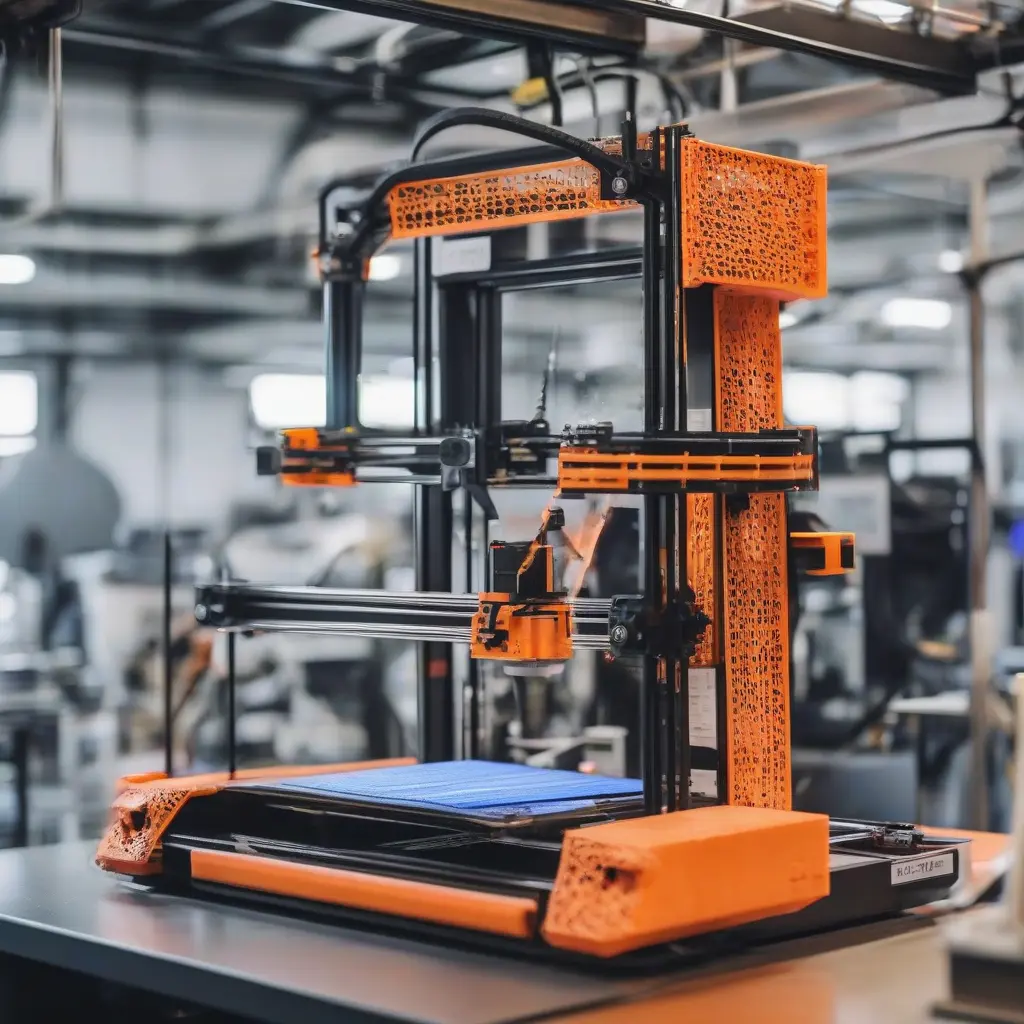
The evolution of technology has significantly impacted various industries, and 3D printing stands out as a transformative force in manufacturing. Recent tech updates in 3D printing are redefining traditional manufacturing processes, enhancing productivity and reducing waste. Companies are increasingly adopting these advancements to streamline operations, cut costs, and improve product customization. As the technology continues to mature, insights into the latest trends and applications can help businesses stay ahead in a competitive landscape. This article delves into how recent updates in 3D printing technology are reshaping the manufacturing world.
Enhanced Speed and Efficiency
One of the most significant advancements in 3D printing is the enhanced speed and efficiency of the manufacturing process. New technologies, such as continuous liquid interface production (CLIP), allow for faster layer curing, dramatically reducing build times compared to traditional methods. This improvement not only accelerates production cycles but also enables just-in-time manufacturing, minimizing inventory costs. Industries such as automotive and aerospace are particularly benefiting from these speed enhancements, allowing for rapid prototyping and quicker integration of design updates.
Sustainability in Manufacturing
In an era increasingly focused on environmental sustainability, the latest updates in 3D printing technologies promote eco-friendly practices in manufacturing. Innovations like bio-based filaments and the ability to utilize recycled materials are gaining traction, enabling companies to reduce their carbon footprint. Moreover, additive manufacturing generates less waste compared to subtractive methods, further reinforcing its appeal for sustainable production. As consumers demand greener products, manufacturers leveraging sustainable 3D printing technologies can enhance their market presence and appeal.
Advanced Material Capabilities
Recent developments in material science have expanded the range of materials suitable for 3D printing, which is a crucial factor in its adoption across various sectors. High-performance plastics, metals, and even composites are now more widely available, allowing manufacturers to produce durable, lightweight components. Innovations like metal 3D printing open up new avenues in industries such as aerospace and healthcare, where material properties directly impact the quality and functionality of end products. The diversity of available materials enables greater product design freedom and performance optimization.
Customization and Product Design Flexibility
The capability for customization stands as one of the major differentiators of 3D printing technology in manufacturing. With the latest updates in design software and printing techniques, manufacturers can create highly personalized products tailored to individual consumer needs. This flexibility extends beyond conventional industries, reaching sectors like fashion and healthcare, where unique designs significantly enhance user experience. As businesses seek to stand out in a saturated market, embracing customization through 3D printing technologies is proving to be a viable strategy.
Reduction in Supply Chain Dependencies
3D printing is revolutionizing supply chain models by allowing manufacturers to produce goods on-demand, thereby reducing dependency on traditional supply chains. This capability is particularly advantageous for companies dealing with complex or niche products, where stockpiling components can be costly or inefficient. By producing parts closer to end-users, businesses can minimize transportation costs and lead times, making their operations more agile. These developments are especially beneficial in industries that require rapid responses to changing market demands.
Testing and Prototyping Advances
The rapid iteration capabilities of 3D printing technology have transformed the testing and prototyping phases of product development. With faster turnaround times, designers can test multiple versions of a product simultaneously, leading to faster innovation cycles. The ability to create functional prototypes that closely resemble the final product allows for better evaluation of design elements before mass production. This reduces risks and enhances the overall quality of the products being developed, benefitting both consumers and manufacturers alike.
Integration with Other Technologies
Recent updates in 3D printing are increasingly emphasizing integration with other cutting-edge technologies, such as artificial intelligence and the Internet of Things (IoT). By leveraging AI for optimized design and production workflows, manufacturers can enhance efficiency and reduce errors. IoT tools can streamline monitoring and analytics, making it easier to track production metrics and performance in real time. This synergy between technologies creates a more interconnected manufacturing ecosystem, paving the way for smarter and more efficient production strategies.
Global Manufacturing Impact
The ripple effects of advancements in 3D printing technology are reshaping global manufacturing landscapes. As companies across the globe adopt these technologies, we observe a shift from centralized manufacturing hubs to more decentralized models. This move allows for localized production, which meets regional demands more effectively while reducing shipping costs. Emerging economies are integrating 3D printing to boost their manufacturing capabilities, creating opportunities for new markets and fostering economic growth. The global manufacturing sector is, thus, navigating a paradigm shift driven by innovative 3D printing technologies.
Challenges and Considerations
Despite the numerous advantages, several challenges persist in the broader adoption of 3D printing technology within manufacturing industries. Issues related to material performance, regulatory compliance, and equipment costs remain significant barriers. Manufacturers must also contend with concerns about intellectual property protection, as the digital nature of 3D printing opens avenues for potential infringement. Addressing these challenges requires collaboration between stakeholders, ongoing research, and investment in education to fully realize the potential of 3D printing in manufacturing.
Conclusion
The recent advancements in 3D printing technology are undeniably transforming manufacturing processes, offering enhanced speed, sustainability, and flexibility. As the technology evolves, businesses that adapt and embrace these innovations stand to gain a competitive edge in their industries. Navigating the challenges and capitalizing on the benefits will be key for manufacturers looking to thrive in this new landscape. The future of manufacturing is poised to be shaped significantly by the ongoing developments in 3D printing.