
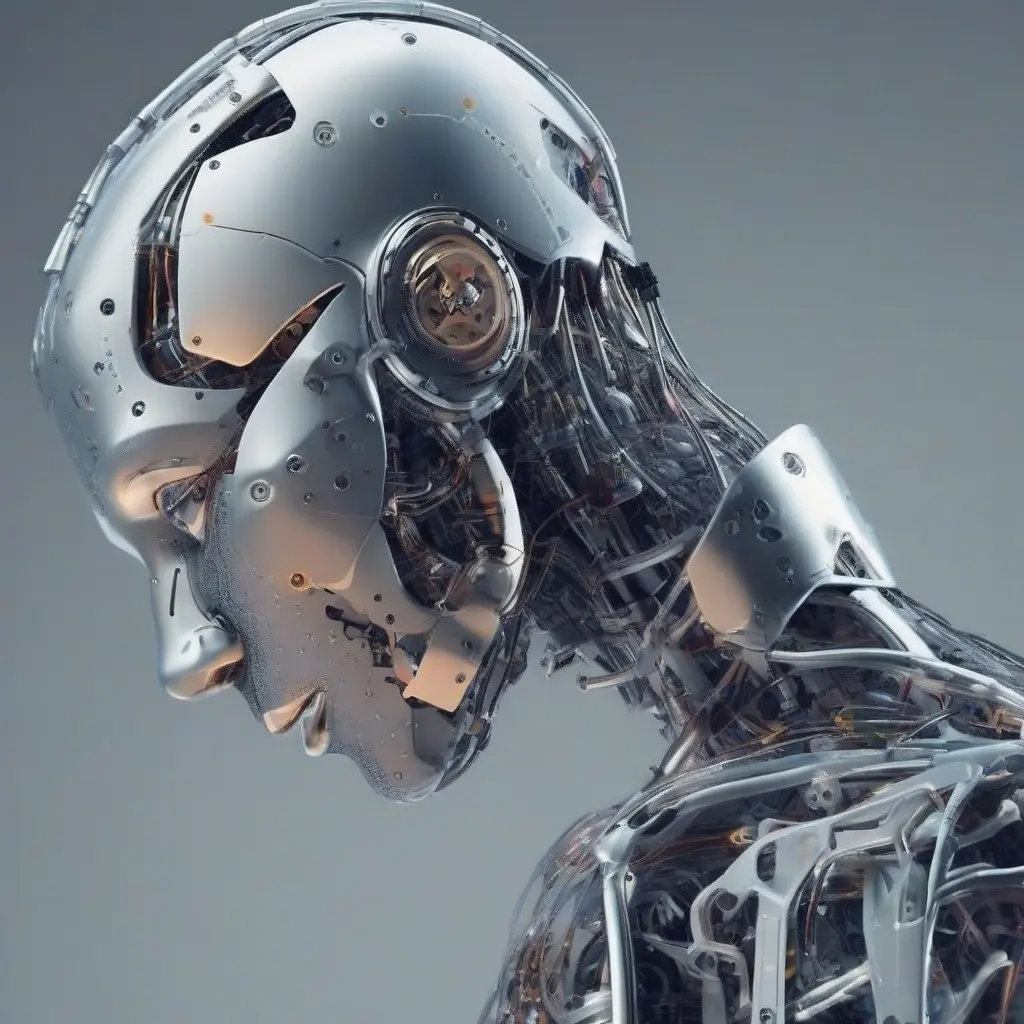
Artificial Intelligence (AI) tools are rapidly transforming how users interact with websites, significantly enhancing their overall experience. From chatbots that provide instant support to personalized content recommendations, AI technologies are making web navigation more intuitive and engaging. As businesses strive to improve user satisfaction and retention, understanding the current trends in AI tools is crucial. This article explores the latest trends in AI-enhanced user experience, showcasing how these tools are reshaping online interactions.
Personalization Through AI
Personalization is one of the most significant trends in AI tools impacting user experience. By analyzing user data, AI can tailor website content to individual preferences and behaviors, making the browsing experience more relevant and engaging. For instance, e-commerce platforms utilize AI to recommend products based on previous purchases and browsing history. This level of personalization not only enhances user satisfaction but also drives higher conversion rates, as visitors find the content more aligned with their interests.
Chatbots and Virtual Assistants
Chatbots and virtual assistants are revolutionizing customer service on websites. These AI-driven tools offer real-time assistance, addressing user queries promptly and efficiently. By deploying chatbots, businesses can provide 24/7 support, reducing response times and improving overall user satisfaction. Integrating natural language processing allows these bots to understand and respond to user inquiries in a conversational manner, making interactions feel more personal and helpful. This trend not only enhances user experience but also allows businesses to streamline operations and reduce costs.
AI-Powered Search Functionality
Enhanced search functionality powered by AI is another trend reshaping user experience on websites. AI algorithms can analyze user queries and deliver more relevant search results quickly. This capability minimizes frustration and provides users with exactly what they are looking for without excessive scrolling. Voice search optimization is also a critical component of this trend, making it easier for users to navigate websites using voice commands. This improved searchability can lead to increased user engagement and lower bounce rates, as visitors find the information they need seamlessly.
User Segmentation and Targeting
AI tools excel at user segmentation and targeted marketing, contributing significantly to user experience enhancement. By analyzing various data points such as demographics, browsing habits, and purchase history, AI can categorize users into specific segments. This targeted approach allows businesses to tailor content and advertisements to resonate with distinct groups, ensuring that users encounter relevant information and offers. Such precision fosters a more enjoyable browsing experience, as users feel understood and valued by the brands they interact with.
Predictive Analytics for Improved Engagement
Predictive analytics, powered by AI, is increasingly being used to anticipate user needs and preferences. By analyzing vast amounts of historical data, AI algorithms can forecast trends and behaviors, allowing websites to proactively serve content that users are likely to engage with. This capability not only improves user satisfaction but also encourages longer time spent on the site. Businesses can leverage predictive insights to optimize marketing strategies and make informed decisions that enhance overall user experience.
Content Generation and Curation
AI is revolutionizing content generation and curation, making it easier for websites to deliver high-quality, relevant content to users. Tools powered by machine learning can generate articles, blog posts, and even social media updates based on current trends and user interests. Additionally, AI can curate existing content, presenting users with selections that align with their tastes. This not only saves time for content creators but also ensures users have access to valuable information that keeps them engaged and coming back for more.
Gamification and AI Integration
The integration of gamification elements with AI tools is another exciting trend enhancing user experience on websites. By incorporating game-like features such as rewards, points, and challenges, websites can create a more interactive and enjoyable environment for users. AI enhances these experiences by personalizing challenges and rewards based on user behavior, ensuring that they are relevant and motivating. This strategy not only increases engagement but can also lead to higher retention rates, as users are more likely to return for an enjoyable, gamified experience.
Accessibility Enhanced by AI
AI tools are playing a vital role in making websites more accessible for users with disabilities. Features such as voice recognition, text-to-speech functionality, and automatic captioning are enhancing the web experience for those with visual or hearing impairments. Additionally, AI can analyze and suggest design changes to improve accessibility based on user feedback and engagement metrics. Implementing these AI-driven solutions not only broadens the audience reach but also aligns websites with inclusivity, ensuring all users have an equal opportunity to interact and engage.
Real-Time User Feedback Analysis
Collecting and analyzing real-time user feedback is a crucial aspect of improving website user experience. AI tools can process vast amounts of feedback data, quickly identifying trends and areas for improvement. By understanding user sentiment and preferences through AI analysis, businesses can make immediate adjustments to their websites, enhancing navigation and content relevance. This dynamic approach fosters a user-centric environment, as websites evolve continuously based on visitor needs and expectations.
Continuous Learning and Improvement
AI tools in user experience are characterized by their ability to learn and improve continuously. Machine learning algorithms analyze user interaction data over time, refining how they operate to create an even more tailored experience. This capability allows websites to adapt to changing user preferences and trends, ensuring they remain relevant in an ever-evolving digital landscape. As a result, the user experience is not just enhanced temporarily; it is a continual process of optimization that keeps users engaged and satisfied.
Conclusion
In summary, AI tools are significantly enhancing user experience on websites through various innovative trends. Personalization, chatbots, and advanced analytics are just a few ways these technologies are making interaction more intuitive and efficient. As businesses continue to adapt and implement AI-driven solutions, staying ahead of these trends will be essential for improving user satisfaction and maintaining a competitive edge in the digital space.