
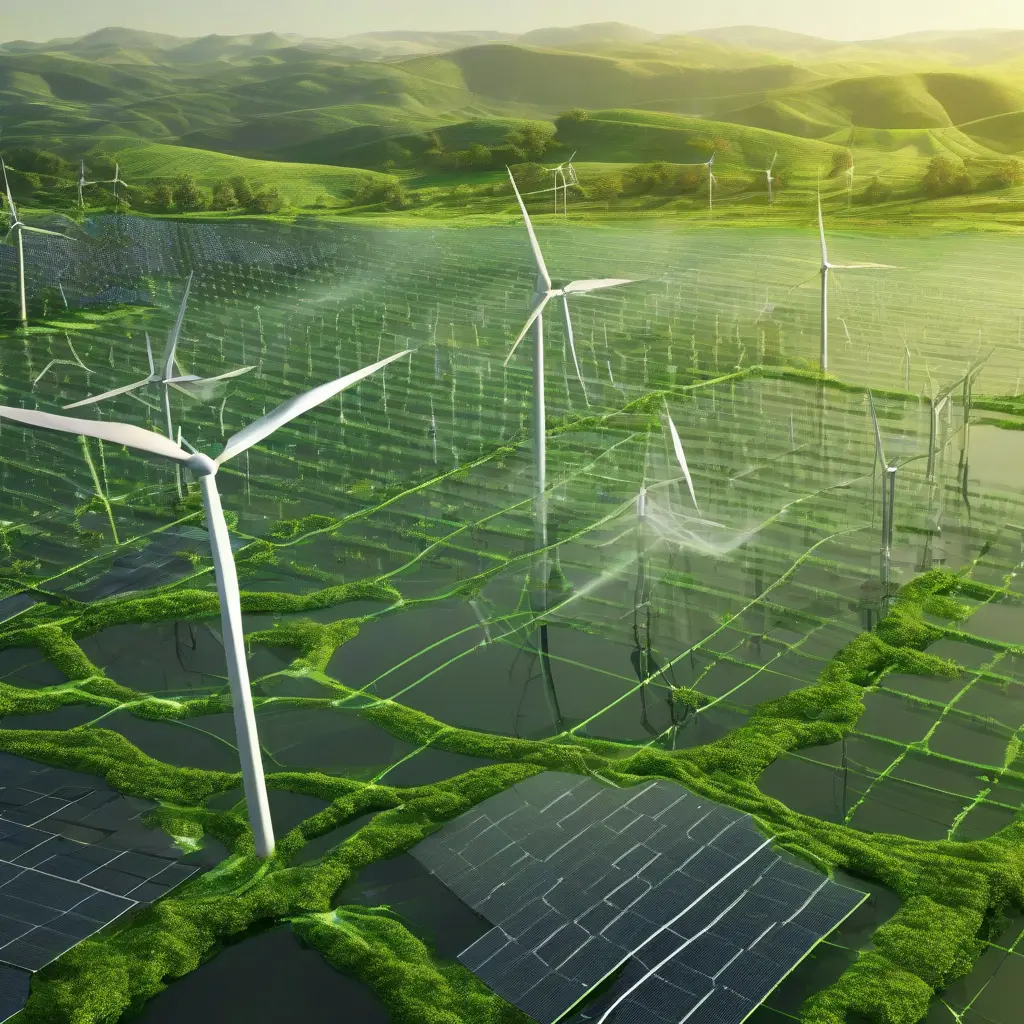
As the urgency for climate change solutions accelerates, innovations in renewable energy technology are becoming vital for achieving sustainability. From advancements in solar energy to breakthroughs in wind turbine efficiency, the tech landscape is evolving at an unprecedented rate. In recent years, significant strides have been made in energy storage, smart grids, and electric vehicles, paving the way for a greener future. This article delves into the latest tech updates in renewable energy and their implications for both the environment and the economy.
Advancements in Solar Energy Technology
Solar energy has seen remarkable innovations, particularly in photovoltaic cells and solar panel design. Modern solar panels have become more efficient, utilizing materials like perovskite to capture solar energy at higher rates than traditional silicon-based panels. Researchers are focusing on bifacial solar panels, which can absorb light from both sides, further increasing energy output. Additionally, integrated systems, such as solar shingles, are gaining popularity by combining aesthetics with functionality, making solar energy more accessible for residential and commercial properties.
Breakthroughs in Wind Energy Efficiency
The wind energy sector is witnessing increased efficiency through larger turbine designs and advanced blade technology. Contemporary turbines are not just bigger but also smarter, equipped with sensors to optimize their performance in real-time. Innovations in material science have led to lighter and more durable blades, allowing for greater energy capture even in low-wind conditions. Moreover, floating wind farms are becoming a feasible option, extending the reach of wind energy to deeper waters, where wind conditions are often more favorable.
Energy Storage Innovations
Energy storage has emerged as a critical component in the renewable energy sector, solving the intermittency issue associated with solar and wind power. Lithium-ion batteries have dominated the market, but new technologies, such as solid-state batteries and flow batteries, are on the rise, offering improved safety, lifespan, and efficiency. Moreover, innovative solutions like pumped hydro storage and compressed air energy storage are being explored to store excess energy generated during peak production periods, ensuring a stable supply when demand spikes.
The Rise of Smart Grids
Smart grids are revolutionizing the way we manage electricity distribution, enabling better integration of renewable energy sources. These grids utilize advanced communication technologies to monitor and manage energy flow in real time. With smart meters and sensors, utilities can optimize energy usage, reduce outages, and enhance overall grid reliability. Integrating renewable resources into smart grids allows for greater efficiency and helps in addressing the challenges posed by fluctuating power generation from sources like wind and solar.
Electric Vehicles and Their Impact
Electric vehicles (EVs) are playing a crucial role in reducing greenhouse gas emissions. Recent advancements in battery technology are making EVs more efficient and affordable, encouraging wider adoption. Innovations like fast-charging infrastructure and vehicle-to-grid systems are enhancing the integration of EVs into the energy ecosystem. Furthermore, the concept of renewable energy-powered charging stations is gaining traction, ensuring that EVs contribute to a sustainable energy system rather than relying on fossil fuels for energy.
Hydrogen Energy Developments
Hydrogen energy is gaining attention as a clean fuel alternative, especially for heavy industries and long-haul transportation. The process of green hydrogen production, using renewable sources for electrolysis, is evolving, making it a viable option for energy storage and transportation. Companies are investing in hydrogen fuel cells, which can power vehicles and generate electricity with minimal environmental impact. As technological advancements continue, hydrogen could become a cornerstone of a renewable-focused energy landscape.
The Role of Policy in Renewable Innovation
Government policies play a significant role in fostering innovation within the renewable energy sector. Incentives such as tax credits, grants, and subsidies are essential for encouraging research and development. Additionally, international agreements and local regulations aimed at reducing carbon emissions create a favorable environment for renewable technologies to thrive. The collaboration between policymakers and private industries is crucial in accelerating the transition to a sustainable energy future and motivating investments in cutting-edge solutions.
Public Awareness and Its Influence
Public awareness and education about renewable energy technologies are vital for driving adoption and support. As communities become more informed about the benefits of renewable energy, there is greater demand for sustainable solutions. Social media campaigns, educational programs, and grassroots movements can significantly influence public perception and encourage individuals to consider renewable options. Increased awareness also translates into more pressure on governments and businesses to prioritize sustainable practices and invest in innovative energy technologies.
Conclusion
The future of renewable energy technology is bright as continuous innovations pave the way for a sustainable and greener planet. From advanced solar panels to efficient energy storage solutions, these developments promise not only to address climate change but also to create new economic opportunities. As society increasingly prioritizes sustainability, the collaboration between technology, policy, and public awareness will be crucial for harnessing the full potential of renewable energy.