
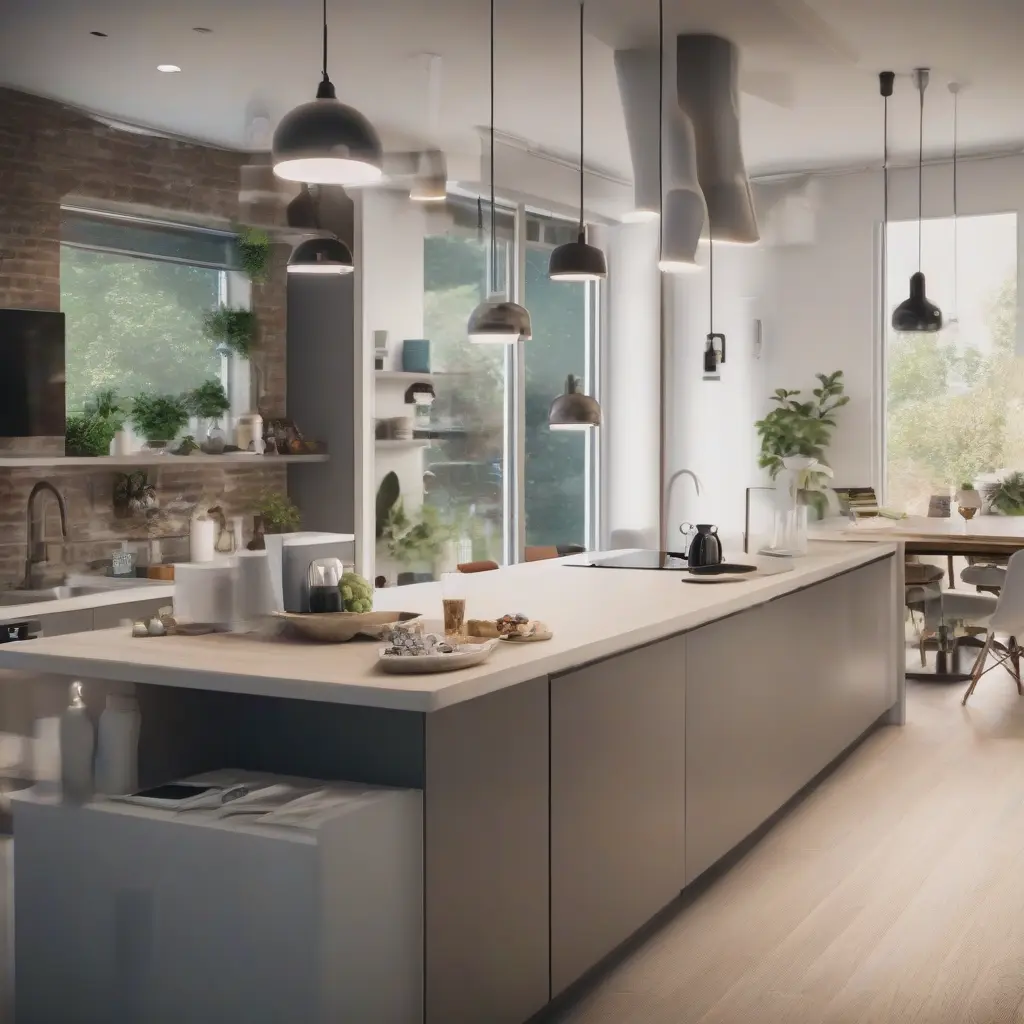
The landscape of smart home technology is rapidly evolving, introducing innovative devices that enhance convenience, security, and energy efficiency. In recent years, significant advancements have taken place, pushing boundaries and transforming ordinary homes into intelligent living spaces. This article explores key updates in smart home devices, highlighting their impact on everyday life and how they are revolutionizing the way we interact with our homes.
AI-Powered Smart Speakers
AI-powered smart speakers, like Amazon Echo and Google Nest, have taken center stage as essential components in modern households. These devices serve as personal assistants, enabling voice control for a range of tasks, from adjusting the thermostat to playing music. Recent updates have improved their capabilities, allowing for more natural conversations, increased accuracy in voice recognition, and the integration of multiple smart home devices. As AI technology continues to advance, these speakers will likely become even more intuitive, making home management simpler.
Smart Thermostats for Energy Efficiency
Smart thermostats, such as the Nest Learning Thermostat and Ecobee, are revolutionizing energy management in homes. These devices learn user habits and preferences, optimizing heating and cooling systems based on real-time data. Recent enhancements include geofencing capabilities that adjust home temperature based on the occupants’ location, further increasing energy savings. Such features not only promote energy efficiency but also contribute to lower utility bills, making smart thermostats a popular choice for eco-conscious consumers.
Enhanced Home Security Systems
Home security systems have also undergone significant advancements, offering smarter and more integrated solutions. Modern security cameras now feature AI-driven motion detection, facial recognition, and easy integration with other smart devices. With real-time alerts sent directly to mobile devices, homeowners can monitor their property from anywhere. The emergence of smart doorbells with HD cameras adds an additional layer of security, allowing for two-way communication and remote monitoring, enhancing overall peace of mind.
Smart Lighting Innovations
Smart lighting systems, such as Philips Hue and LIFX, are revolutionizing how we illuminate our homes. Recent updates include the ability to customize lighting through smartphone apps and voice commands. Users can create schedules, adjust color temperatures, and even sync lights with music or movies for an immersive experience. These innovations not only enhance ambiance but also improve energy efficiency by allowing users to turn off lights remotely and set timers, contributing to lower energy consumption.
Integration of IoT Devices
The integration of Internet of Things (IoT) devices is a game changer in smart homes. With the ability to connect various devices through a single platform, homeowners can achieve seamless control over their environments. For example, smart home hubs consolidate the management of everything from locks to cameras to appliances, allowing for smart automation and monitoring. This interconnectedness enhances user experience and simplifies everyday tasks, providing a more cohesive living environment.
Innovative Kitchen Devices
Smart technology has revolutionized kitchen appliances, making cooking and meal preparation more efficient. Devices such as smart ovens, refrigerators, and dishwashers allow users to control settings remotely and receive alerts when tasks are complete. Recent innovations include ovens that can be preheated from a mobile app and appliances equipped with recipe recommendations based on available ingredients. These advancements not only save time but also inspire creativity in the kitchen, making cooking more enjoyable.
Improved Smart Home Interfaces
The user interfaces of smart home devices have significantly improved, making them more accessible and user-friendly. Voice control has become a primary avenue for interaction, enhancing the hands-free experience. Moreover, touchscreen panels and mobile apps now offer intuitive navigation and customization options for various smart devices. These advancements cater to a wider range of users, including those who may not be tech-savvy, ensuring that smart technology is accessible to everyone.
Sustainability in Smart Homes
Sustainability is becoming a key focus in the design of smart home devices. Many products now incorporate eco-friendly materials and energy-efficient technologies. Smart irrigation systems monitor weather patterns and soil conditions to optimize water usage in gardens and landscapes, significantly reducing waste. Furthermore, smart appliances often come with energy monitoring capabilities, empowering users to track and reduce their environmental footprint. This focus on sustainability is attracting environmentally conscious consumers and influencing purchasing decisions.
Health and Wellness Monitoring
Health monitoring devices are increasingly being integrated into smart home ecosystems, offering various features to support well-being. Devices such as smart air purifiers and humidity monitors ensure a healthier living environment by maintaining optimal air quality. Recent advancements also include smart beds that track sleep patterns, providing insights into sleep quality and recommending improvements. This integration of health-focused technology within the home is empowering users to prioritize their health and wellness effortlessly.
Conclusion
Smart home technology is reshaping living spaces through continuous innovation and integration of new features. As devices become more interconnected and intelligent, they enhance convenience, security, efficiency, and sustainability in everyday life. The future of smart homes holds even more promise, with advancements that will continue to refine and redefine our living experiences. Embracing these innovations can lead to a harmonious blend of technology and daily living, making homes smarter and life easier.