
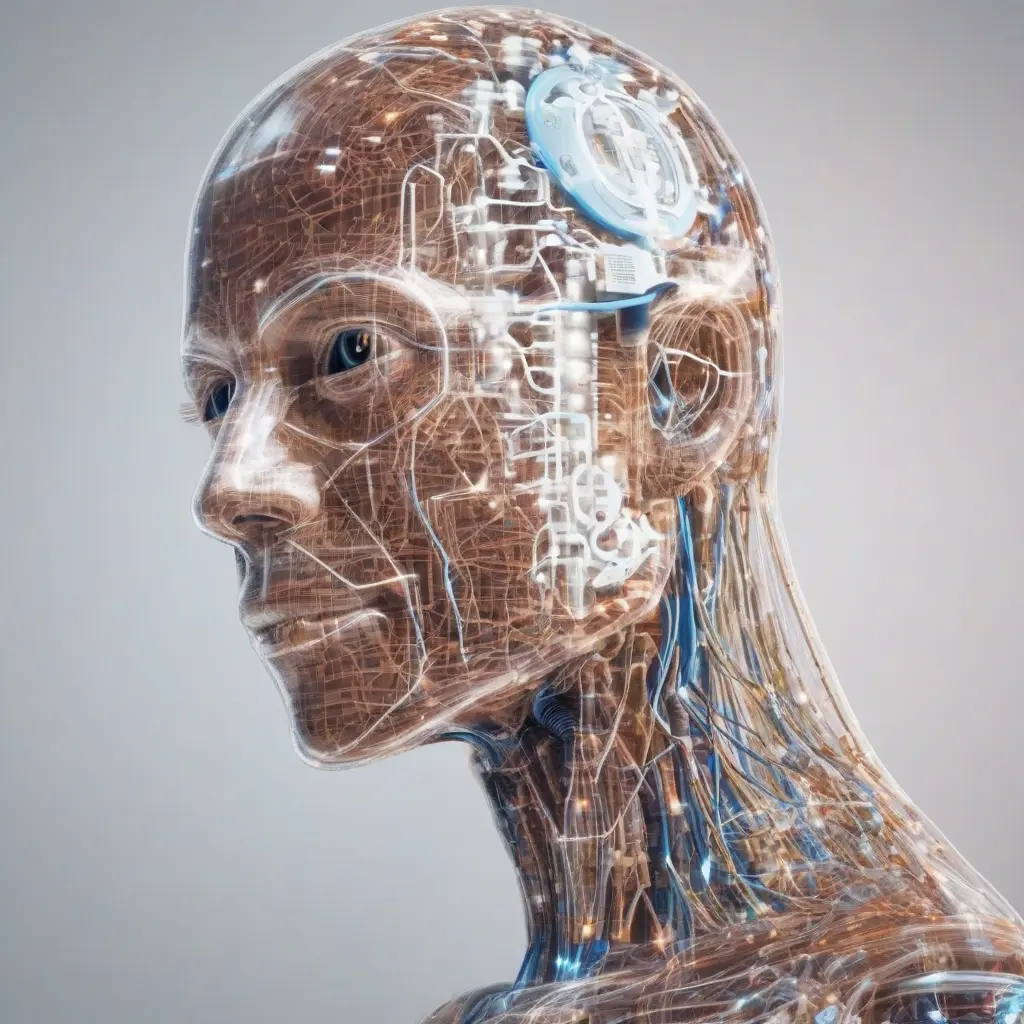
In 2023, artificial intelligence (AI) tools have become integral to healthcare delivery, significantly enhancing patient care, operational efficiency, and diagnostic accuracy. By leveraging machine learning algorithms and advanced data analytics, healthcare providers can now streamline processes, personalize treatments, and predict patient outcomes with unprecedented precision. As the industry continues to embrace these technologies, the potential for improved healthcare delivery is immense, promising a future where patient experiences and clinical outcomes are enhanced like never before.
AI in Telemedicine
Telemedicine has become increasingly prominent, especially post-pandemic, with AI tools enhancing the quality and accessibility of remote healthcare services. AI algorithms can analyze patient data in real-time to provide healthcare professionals with insightful suggestions during consultations. Additionally, chatbots powered by AI can triage symptoms, schedule appointments, and offer around-the-clock support, making healthcare more accessible for patients in remote areas. This efficient communication streamlines the workflow for healthcare providers and ensures that patients receive timely care.
Predictive Analytics for Patient Outcomes
Predictive analytics, facilitated by AI, plays a crucial role in anticipating patient health outcomes by analyzing various data sets. By examining patient histories, treatment responses, and socio-economic factors, AI tools can identify patterns that signal potential health issues. Hospitals can therefore tailor preventive measures and interventions more effectively, improving the overall health outcomes and reducing hospital readmission rates. This proactive approach not only benefits patients but also enhances the efficiency and cost-effectiveness of healthcare delivery systems.
Enhancing Diagnostic Accuracy with AI
AI tools are revolutionizing diagnostic processes by providing healthcare professionals with powerful analytics that enhance accuracy and speed. Machine learning algorithms can analyze medical images, such as X-rays and MRIs, to detect anomalies that may be missed by the human eye. This capability helps in identifying diseases at earlier stages, leading to timely interventions. Furthermore, by reducing diagnostic errors, AI helps in building trust between patients and medical professionals, ultimately leading to better patient satisfaction and adherence to treatment plans.
Streamlining Administrative Tasks
In addition to clinical applications, AI is streamlining administrative tasks within healthcare organizations. Automation of scheduling, billing, and patient management systems reduces the workload for administrative staff. AI-driven tools can process and verify patient information in real-time, minimizing human errors and improving the speed of operations. This increased efficiency allows healthcare providers to focus more on patient care, enhancing the overall service quality and optimizing resource allocation within medical facilities.
Personalized Medicine through AI
Personalized medicine, tailored to individual patient profiles, is becoming a reality through the use of AI tools. By analyzing genetic, environmental, and lifestyle factors, AI can recommend individualized treatment plans that enhance effectiveness. This approach ensures that patients receive treatments that are more likely to work for their specific conditions, reducing trial-and-error methods. The integration of AI into personalized medicine promises to take patient care to the next level, ultimately resulting in improved health outcomes and satisfaction.
Improving Patient Engagement
AI tools are enhancing patient engagement by facilitating better communication between healthcare providers and patients. Mobile health applications equipped with AI can provide patients with relevant health information, reminders for medications, and educational resources tailored to their conditions. This empowerment encourages patients to take an active role in managing their health. Improved engagement not only promotes adherence to treatment plans but also fosters a stronger provider-patient relationship, which is essential for successful healthcare delivery.
Challenges in AI Implementation
Despite the benefits, the implementation of AI tools in healthcare faces several challenges. One major concern is data privacy, as sensitive patient information must be protected. Additionally, integrating AI into existing systems can require significant financial investments and training for staff. Resistance from healthcare professionals who may be skeptical of AI’s reliability also poses a hurdle. Addressing these challenges is crucial for the successful adoption of AI in healthcare, ensuring that the technology serves to augment, rather than replace, human expertise.
Future Prospects of AI in Healthcare
The future of AI in healthcare looks promising, with continuous advancements likely to improve existing tools and develop new ones. As machine learning and AI technologies evolve, they are expected to offer even more sophisticated capabilities, such as enhancing surgical precision and predicting global health trends. Research collaborations between tech companies and healthcare providers will boost innovations that can transform healthcare delivery. The ongoing integration of AI tools can lead to a healthcare landscape that is more responsive, patient-centric, and efficient.
Conclusion
In summary, AI tools are reshaping healthcare delivery in 2023 by improving diagnostic accuracy, enhancing patient engagement, and streamlining administrative tasks. While challenges exist, the benefits of adopting AI in healthcare are significant, paving the way for a future that prioritizes personalized patient care and operational efficiency. The ongoing advancements in AI will continue to shape the healthcare landscape, offering new opportunities for enhancing health systems and patient outcomes.