
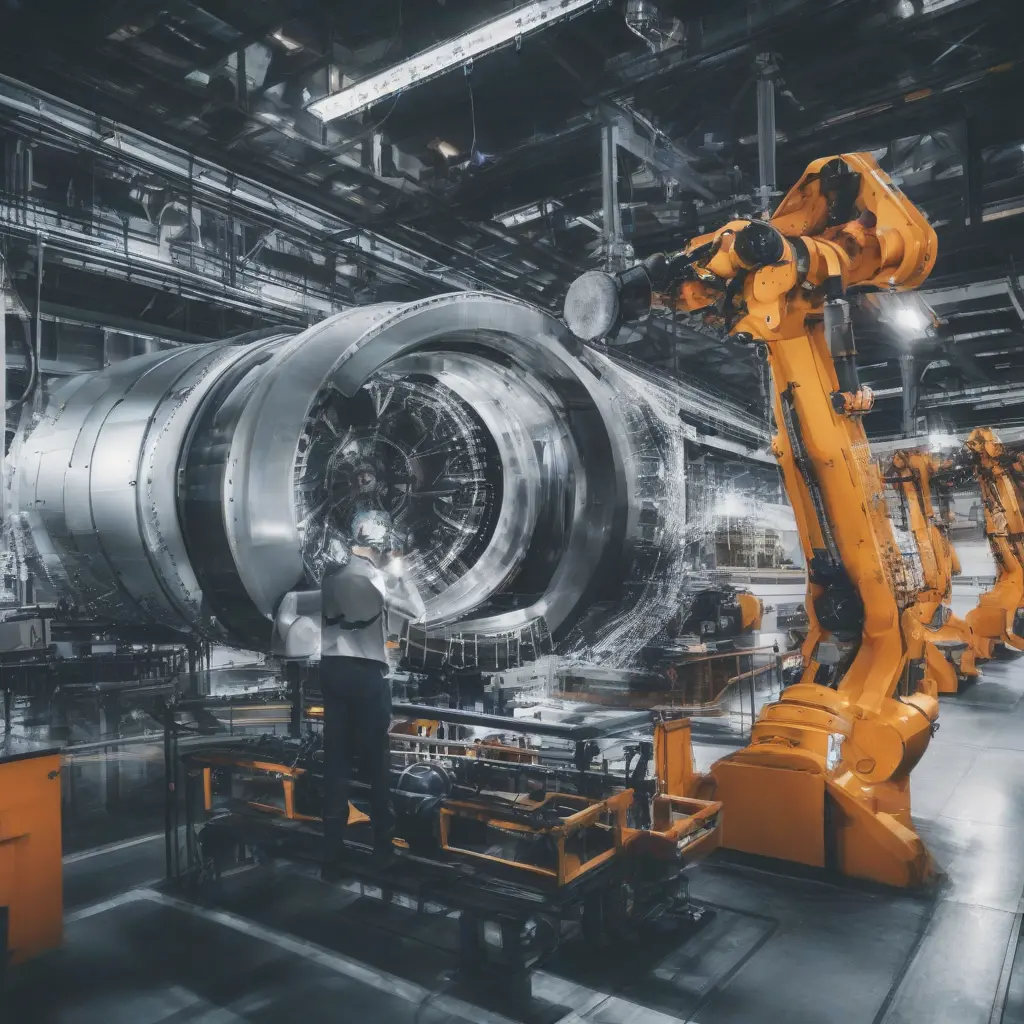
The integration of AI tools into predictive maintenance strategies is transforming manufacturing industries worldwide. With the growing need for efficiency, manufacturers are turning to advanced technologies to monitor equipment health and predict failures before they occur. This proactive approach minimizes downtime and maintains operational continuity, ultimately reducing costs and enhancing productivity. As AI continues to evolve, its capabilities in data analysis and machine learning offer unprecedented opportunities for refining maintenance protocols and optimizing equipment performance. This article delves into the significant benefits, technologies, and future implications of AI in predictive maintenance.
Understanding Predictive Maintenance
Predictive maintenance is a proactive strategy that focuses on identifying potential equipment failures before they occur, allowing manufacturers to address issues promptly. Unlike traditional maintenance methods, which often rely on scheduled servicing or reactive repairs, predictive techniques utilize condition monitoring and data analysis to inform maintenance decisions. This approach helps to extend the lifespan of machinery, improve reliability, and ultimately fosters a more efficient production environment. By leveraging historical data, engineers can better understand equipment performance and predict wear patterns, leading to timely interventions that reduce unplanned downtimes.
Role of AI Tools in Predictive Maintenance
AI tools play a crucial role in enhancing predictive maintenance by analyzing vast amounts of data generated by equipment sensors. These tools utilize machine learning algorithms that detect patterns, anomalies, and indicative signs of wear or failure over time. This analysis allows for accurate predictions regarding the optimal time for maintenance, thereby reducing unnecessary service interruptions. Additionally, AI tools can adapt as more data is collected, continuously improving their accuracy and effectiveness in foreseeing potential failures. This capability not only supports maintenance teams but also contributes to overall operational efficiency.
Key AI Technologies for Predictive Maintenance
Several AI technologies are instrumental in the successful application of predictive maintenance in manufacturing. These include machine learning algorithms, data analytics platforms, and Internet of Things (IoT) devices that monitor equipment in real-time. For instance, machine learning can classify data and predict maintenance needs, while IoT sensors gather critical performance metrics. Additionally, advanced analytics can uncover trends and provide actionable insights, making it easier for manufacturers to prioritize maintenance activities. Combining these technologies allows industries to create a robust predictive maintenance strategy that improves productivity and resource allocation.
Benefits of AI-Driven Predictive Maintenance
The benefits of AI-driven predictive maintenance are substantial and multifaceted. Firstly, minimizing unscheduled downtime leads to improved productivity, allowing manufacturing processes to run smoothly. Secondly, companies can significantly reduce maintenance costs by transitioning from reactive to proactive maintenance strategies. Improved equipment lifespan is another benefit, as timely repairs can prevent severe damage. Additionally, data-driven insights foster better decision-making and strategic planning, enabling businesses to allocate resources more effectively. Altogether, these advantages contribute to a more sustainable and profitable manufacturing environment.
Challenges in Implementing AI for Predictive Maintenance
While the advantages of incorporating AI into predictive maintenance are clear, several challenges can impede successful implementation. One significant hurdle is the integration of new technologies into existing systems, which often require considerable investment and training. Data quality and availability also pose challenges; predictive maintenance is only as effective as the data being analyzed. Furthermore, the need for skilled personnel who can interpret AI-generated insights and manage complex systems adds another layer of complexity. Thus, businesses must navigate these obstacles carefully to maximize the potential of AI tools.
Case Studies of AI in Predictive Maintenance
Numerous manufacturing companies have successfully implemented AI-driven predictive maintenance strategies, showcasing the technology’s effectiveness. For example, a leading automotive manufacturer utilized machine learning algorithms to analyze sensor data from machinery, resulting in a 20% reduction in maintenance costs and a notable decrease in failures. Another example includes a large steel producer that adopted AI tools to monitor equipment health, leading to a 30% reduction in unplanned downtimes. These case studies illustrate the tangible benefits and successful outcomes of employing AI in predictive maintenance across various sectors.
Future Trends in AI-Powered Predictive Maintenance
The future of AI-powered predictive maintenance appears promising, as rapid advancements in AI technology continue to evolve. Emerging trends suggest an increased integration of advanced analytics and edge computing to facilitate even more immediate data processing. Additionally, as AI algorithms become more sophisticated, predictive maintenance could evolve to include autonomous decision-making processes. The growing adoption of digital twins—virtual replicas of physical assets—allows for real-time monitoring and simulation, enhancing predictive accuracy further. These trends signal a significant shift towards more intelligent and automated maintenance protocols in manufacturing.
Industry-Specific Applications of AI Predictive Maintenance
AI predictive maintenance applications vary significantly across different manufacturing industries, showcasing its versatility. In aerospace, for instance, predictive maintenance is essential for ensuring aircraft safety by forecasting potential equipment failures based on flight data. In consumer electronics, manufacturers use AI to enhance quality control, predicting equipment issues during the assembly process. The automotive industry relies on predictive analytics to schedule timely maintenance on production lines, minimizing downtime and increasing throughput. By tailoring predictive maintenance strategies to the specific needs of each industry, manufacturers can optimize operational performance and enhance product reliability.
Conclusion
In conclusion, the use of AI tools in predictive maintenance is reshaping the future of manufacturing industries by significantly enhancing operational efficiency and cost-effectiveness. By analyzing data and predicting potential failures, manufacturers can reduce downtime, extend equipment lifespan, and improve productivity. While challenges exist, the ongoing advancements in AI technology promise to overcome these obstacles, paving the way for a more streamlined and proactive maintenance approach. As industries continue to embrace these innovations, the overall impact on manufacturing performance will likely be profound and far-reaching.