
The landscape of mobile payment solutions is rapidly evolving, influenced by advances in technology and changing consumer behaviors. As digital transactions become increasingly mainstream, it is essential to explore the upcoming tech updates that promise to redefine financial interactions. This article will delve into the latest trends, including security enhancements, the rise of AI in payments, and the expansion of cryptocurrencies in mobile payments.
The Rise of Contactless Payments
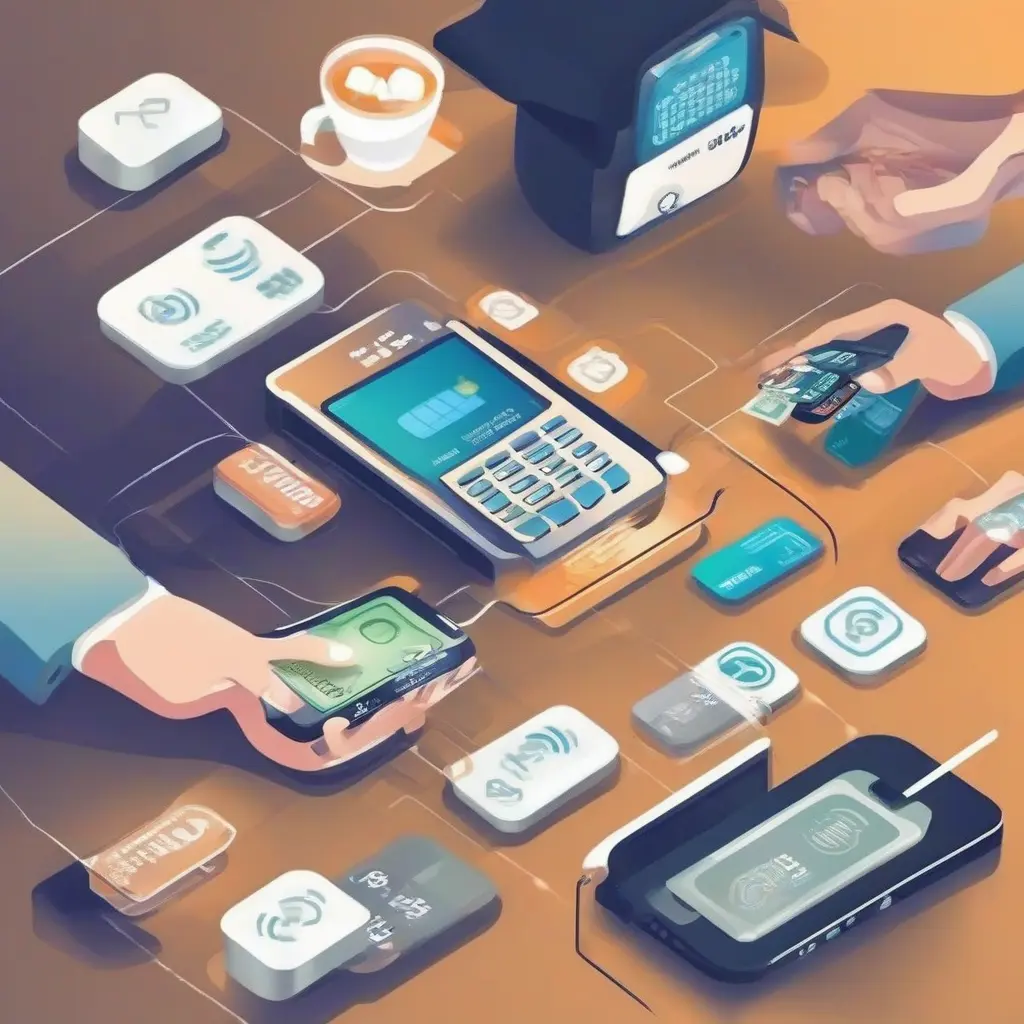
Contactless payment methods have surged in popularity, spurred by the pandemic and the growing demand for quick, secure transactions. These solutions allow users to complete transactions with a simple tap of their mobile devices, using NFC technology. Major retailers and services are adapting rapidly, and studies suggest that more consumers prefer this method for its convenience. As technology enhances, solutions will also likely integrate biometric authentication, further increasing security and user trust.
Enhanced Security Features
With increased digital transactions comes the heightened risk of fraud, prompting mobile payment providers to innovate in security measures. Biometric authentication, including fingerprint and facial recognition, is becoming standard. Encryption technologies are also advancing, ensuring that sensitive data remains secure during transactions. Solutions that integrate machine learning can analyze transaction patterns in real-time to detect fraud attempts, providing users with a safer payment ecosystem.
Integration of Artificial Intelligence
Artificial intelligence (AI) is transforming mobile payment solutions by providing enhanced customer insights and personalized experiences. AI algorithms can analyze user behavior to offer tailored promotions and streamline the payment process. Furthermore, AI-driven chatbots are being deployed to assist users in navigating their transactions and answering queries instantly, improving overall user satisfaction and engagement in financial transactions.
Blockchain and Cryptocurrency Integration
The integration of blockchain technology and cryptocurrencies into mobile payment frameworks is gaining momentum. As consumer interest in cryptocurrencies grows, more payment solutions are adopting features that allow users to transfer digital currencies with ease. Mobile wallets increasingly support cryptocurrency transactions, allowing users to hold various currencies within one application, enhancing the flexibility and attractiveness of mobile payments.
Mobile Payment Apps: Features to Watch
Upcoming mobile payment applications are being designed with user-friendly interfaces and features aimed at facilitating faster transactions. Features such as instant fund transfers, transaction tracking, and rewards programs are becoming prevalent. These applications will also likely incorporate financial management tools to help users monitor expenses and savings, making them not just a payment method, but essential financial companions.
Peer-to-Peer Payment Services
Peer-to-peer (P2P) payment platforms are changing the way individuals transact, allowing users to send money directly to one another using their mobile devices. This trend is becoming essential in social interactions and small businesses, eliminating the need for physical cash. Upcoming platforms are enhancing user experiences with faster transfer times and reduced fees, making them attractive to users who value efficiency and cost-effectiveness.
Global Expansion of Mobile Payments
Mobile payment solutions are witnessing significant global expansion, especially in emerging markets where traditional banking infrastructure is less accessible. These solutions are enabling unbanked populations to participate in digital economies. Innovations in mobile-first platforms tailored for different languages and cultures are on the rise, ensuring that more users can access and utilize financial services directly from their smartphones, enhancing inclusivity.
Future Predictions for Mobile Payments
Looking ahead, mobile payment solutions are expected to evolve significantly. Innovations such as augmented reality (AR) in shopping experiences may enhance how consumers perceive the utility of mobile transactions. Additionally, regulatory frameworks are likely to adapt, providing clearer guidelines that support emerging technologies while protecting consumers. These advancements will shape a more interconnected financial ecosystem that prioritizes user experiences and security.
Conclusion
In conclusion, the future of mobile payment solutions is bright, fueled by technological advancements and an increasing demand for secure, efficient financial transactions. As trends such as contactless payments, enhanced security features, and cryptocurrency integration become more rooted, users can expect a more seamless and personalized payment experience. Staying updated on these changes will be crucial for both consumers and businesses as they adapt to this evolving landscape.